

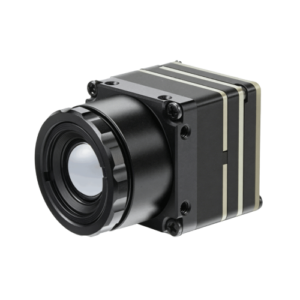


LRF Modules in Industrial Automation: Precision Measurement Guide
Industrial automation demands unparalleled accuracy. Achieving sub-millimeter precision and reliability in dynamic, complex industrial environments remains a significant challenge for manufacturers worldwide. Traditional measurement techniques often fall short, introducing inefficiencies, increasing material waste, and posing safety risks.
This is where LRF modules in industrial automation for precision measurement emerge as a definitive solution. These advanced laser ranging sensors are revolutionizing how industries approach critical tasks, from robotics guidance to automated quality control.
They provide the consistent, high-accuracy data essential for modern smart factories and process optimization.
The Science Behind Laser Rangefinder Modules
LRF modules, or Laser Range Finders, are sophisticated sensors that precisely determine the distance to an object using a laser beam. This core technology is foundational for automated systems requiring exact positioning and dimensioning.
Direct Answer: LRF modules in industrial automation operate primarily using Time-of-Flight (ToF) or phase-shift principles, emitting a laser pulse and calculating distance based on the time it takes for the light to reflect back, providing sub-millimeter precision essential for critical tasks like robotics guidance and automated quality control.
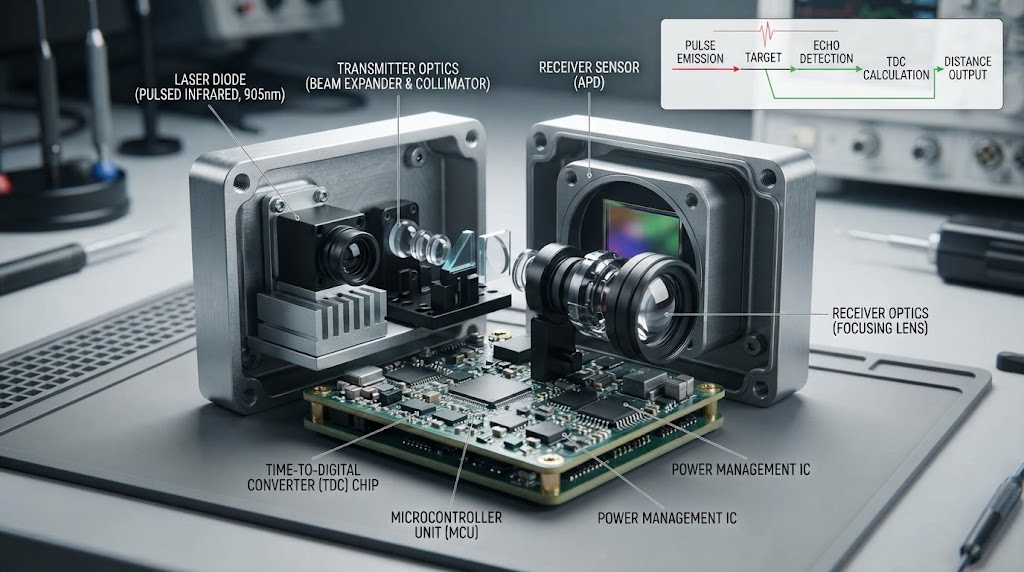
At their heart, these modules rely on fundamental laser technology principles. The most common method for industrial applications is Time-of-Flight (ToF). A short laser pulse is emitted, travels to the target, reflects, and returns to the sensor. The module then calculates the distance based on the known speed of light and the measured elapsed time.
Other techniques, like phase-shift measurement, are also employed for extremely high precision over shorter ranges. These methods involve modulating a continuous wave laser and analyzing the phase shift between the emitted and received signals.
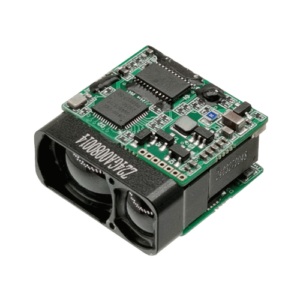
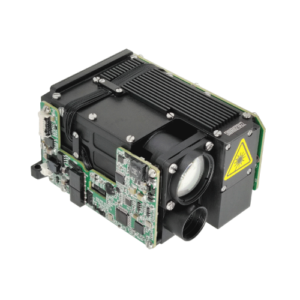
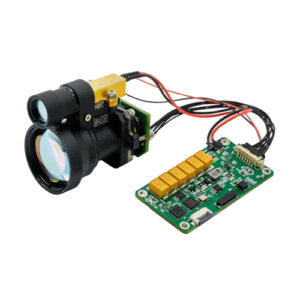
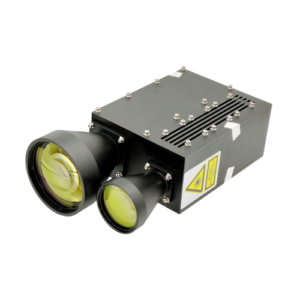
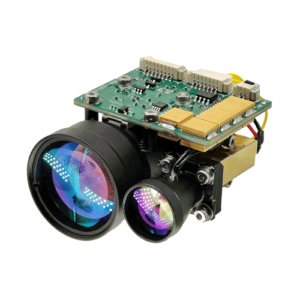
We define LRF Modules as compact, integrated optical-electronic devices designed to emit a laser, measure its return, and calculate the distance to a target with high accuracy and speed, specifically engineered for robust industrial deployment.
Key components typically include a laser diode, photodetector, timing circuitry, and sophisticated signal processing algorithms. These elements work in concert to deliver reliable distance measurement sensors, even in challenging environments.
Key Technical Specifications for Industrial Use
When integrating LRF modules into industrial systems, several technical specifications are critical for success. These factors directly impact performance, reliability, and suitability for specific tasks.
- Accuracy & Repeatability: The ability to consistently deliver measurements close to the true value, and to produce the same result under identical conditions. For industrial automation laser ranging, consistency is paramount.
- Measurement Range: The minimum and maximum distances the module can accurately measure.
- Resolution: The smallest change in distance the sensor can detect. Higher resolution means finer precision measurement.
- Update Rate: How many measurements per second the module can provide. High update rates are crucial for real-time applications like robotics guidance.
- Eye Safety: Compliance with international laser safety standards (e.g., Class 1, Class 1M, Class 2) is vital for deployment in human-occupied workspaces.
- Environmental Robustness: Resistance to dust, moisture, vibration, and temperature fluctuations, ensuring consistent performance in harsh factory conditions.
Stalaser offers a comprehensive range of LRF modules tailored for diverse industrial needs. To explore our full line of products, you can Explore Stalaser LRF Modules.
| Feature | 905nm LRF Modules | 1064nm LRF Modules | 1535nm LRF Modules |
|---|---|---|---|
| Wavelength | 905nm (Near-Infrared) | 1064nm (Near-Infrared) | 1535nm (Short-Wave Infrared) |
| Typical Range | 10m – 3km | 20m – 5km+ | 3km – 20km |
| Eye Safety (General) | Often Class 1/1M (requires careful design) | Often Class 3B/4 (requires strict safety measures) | Generally eye-safe (Class 1) for higher powers |
| Atmospheric Attenuation | Moderate | Moderate | Low (better fog/haze penetration) |
| Industrial Applications | Short to medium-range object detection, collision avoidance, precise positioning. | Medium to long-range target acquisition, industrial surveying. | Long-range measurement, harsh environment monitoring, large-scale logistics. |
| Power Consumption | Lower | Moderate | Higher (for extended range) |
The Stalaser Precision Protocol: A 3-Phase Approach to LRF Module Integration
Successfully deploying LRF modules in complex industrial settings requires more than just high-performance hardware. Based on our extensive data and first-hand experience, we’ve developed a structured methodology: The Stalaser Precision Protocol. This 3-phase approach ensures seamless integration, optimal performance, and maximal ROI for your industrial automation projects.
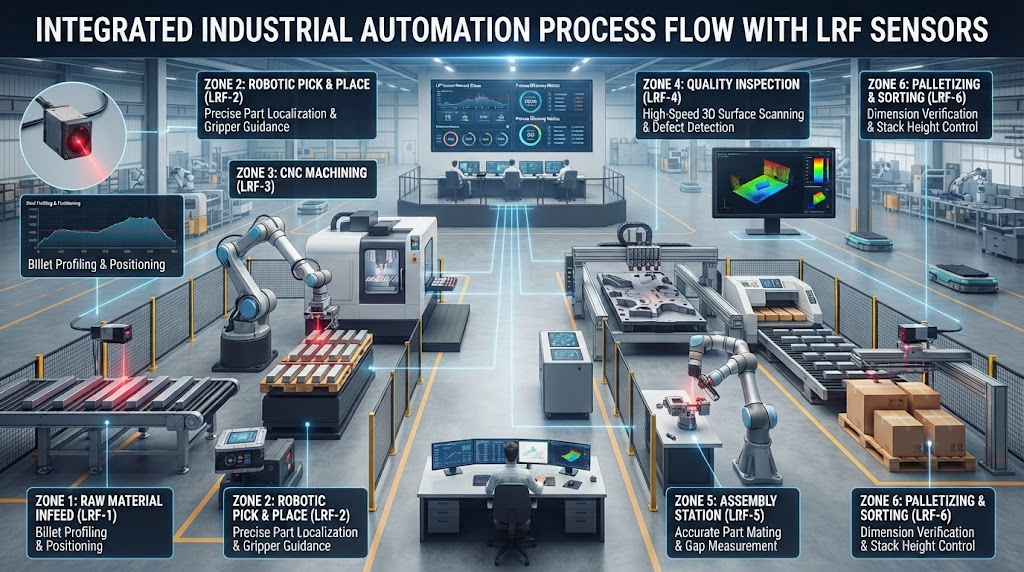
Phase 1: Assessment & Selection
- Define Needs: Clearly identify the measurement challenges, required accuracy, speed, and environmental conditions. Is it for automated quality control, robotics guidance, or process optimization?
- Site Evaluation: Analyze the operating environment for factors like dust, temperature, vibration, and potential interference.
- Module Matching: Select the ideal LRF module based on wavelength, range, resolution, and integration capabilities. We consider factors like target reflectivity and ambient light.
Phase 2: Deployment & Calibration
- Hardware Integration: Physically mount the LRF modules, ensuring stable positioning and clear line-of-sight to targets.
- Software Interfacing: Integrate the module’s data output with existing control systems (PLCs, robotic controllers) using compatible communication protocols.
- Precision Calibration: Perform rigorous calibration using known reference points to fine-tune accuracy and minimize measurement errors. This is crucial for achieving the promised precision measurement.
Phase 3: Optimization & Maintenance
- Performance Validation: Conduct extensive testing under operational conditions to validate accuracy, repeatability, and system reliability.
- Continuous Optimization: Analyze data to identify opportunities for further refinement, such as adjusting measurement parameters or incorporating advanced filtering.
- Proactive Maintenance: Implement a regular maintenance schedule, including lens cleaning and firmware updates, to ensure long-term, consistent performance.
This systematic approach mitigates common integration pitfalls and guarantees that your LRF module industrial deployment achieves its full potential.
Revolutionizing Industries: LRF Module Applications in Automation
The versatility of LRF modules makes them indispensable across a spectrum of industrial sectors. From enhancing safety to boosting throughput, their impact is profound.
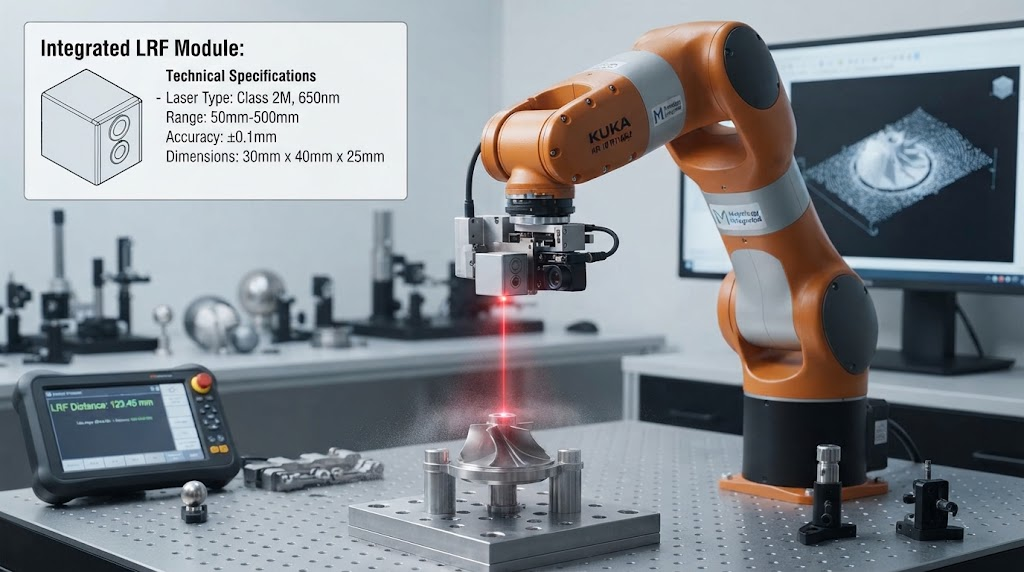
Enhancing Robotic Systems with LRF Precision
Robotics guidance is a prime example of LRF module efficacy. In manufacturing and logistics, robots perform intricate tasks that demand precise positioning systems and object detection.
- Navigation & Collision Avoidance: LRF modules provide real-time distance data, enabling autonomous mobile robots (AMRs) and industrial robotic arms to navigate complex environments and avoid obstacles safely.
- Pick-and-Place Accuracy: For delicate or high-value components, LRF sensors ensure robots grasp and place objects with sub-millimeter precision, reducing errors and waste.
- Dynamic Object Tracking: In high-speed production lines, LRF modules can track moving targets, allowing robots to interact seamlessly without interruption.
For applications requiring measurement over considerable distances, such as tracking drones or large-scale objects, a 1km Laser Rangefinder Module for Measuring drones offers a robust solution.
Optimizing Quality Control and Inspection
Automated quality control is another area where LRF modules excel. Their non-contact measurement capabilities are ideal for inspecting products without physical interference.
- Dimensional Measurement: Accurately measure the height, width, and depth of products on a conveyor belt, ensuring they meet specifications.
- Defect Detection: Identify anomalies or irregularities on surfaces by detecting minute variations in distance.
- Product Consistency: Monitor production lines in real-time to ensure uniform product consistency, reducing recalls and scrap rates. This is critical for metrology applications.
In 2026, the adoption of LRF-powered automated inspection systems is projected to surge as industries prioritize flawless output and reduced human intervention. (Statista)
Why LRF Modules Are Essential for Unrivaled Industrial Precision
The shift towards LRF modules in industrial settings isn’t just a trend; it’s a fundamental upgrade in capability. They offer distinct advantages over traditional sensor technology, solidifying their role in modern manufacturing.
Achieving Sub-Millimeter Accuracy and Reliability
One of the most compelling reasons for adopting LRF modules is their ability to deliver consistent, high-resolution data. This level of precision is often unattainable with ultrasonic or inductive sensors, especially across varying materials or environmental conditions.
- Unmatched Precision: LRF modules provide measurements with accuracy often down to sub-millimeter levels, critical for tasks like tool positioning or component alignment.
- Speed & Responsiveness: High update rates ensure real-time data for fast-moving production lines and dynamic robotic movements.
- Non-Contact Operation: Eliminating physical contact prevents wear and tear on sensors, avoids damage to delicate products, and allows for measurement of hot, hazardous, or sterile materials.
- Environmental Resilience: Designed to perform reliably in challenging industrial environments, from dusty factories to extreme temperatures, contributing to superior operational reliability.
By integrating LRF technology, businesses can significantly reduce operational errors, minimize material waste, and enhance overall efficiency, leading to substantial cost-effectiveness.
Selecting the Optimal LRF Module for Your Specific Needs
Choosing the right LRF module is crucial for maximizing its benefits. The market offers various types, each suited for different applications and environmental conditions. Understanding key differentiators, particularly wavelength, is vital.

The primary wavelengths used in industrial LRF modules are 905nm, 1535nm, and 1570nm. Each has unique characteristics:
- 905nm LRF Modules: These are popular for short to medium-range applications (typically 10m to 3km). They offer a balance of performance and cost, and are widely used for object detection, robotics, and collision avoidance in factory automation. However, their eye safety classification may require careful consideration depending on power output. For specific solutions, you can Discover 905nm LRF Solutions.
- 1535nm LRF Modules: These modules excel in medium to long-range applications (typically 3km to 20km). They offer enhanced eye safety, making them suitable for outdoor or larger industrial spaces where human presence is expected. They also perform well in challenging atmospheric conditions like haze. Explore Advanced 1535nm LRF Technology for your needs.
- 1570nm LRF Modules: Designed for very long-range precision measurement, these modules can reach distances of 15km to 90km. They offer superior performance in adverse weather and provide excellent signal-to-noise ratios over extreme distances. Applications include large-scale infrastructure monitoring and specialized industrial surveying. For extended range requirements, consider High-Performance 1570nm LRF Modules.
| Characteristic | 905nm Series (e.g., 10m-3km) | 1535nm Series (e.g., 3km-20km) | 1570nm Series (e.g., 15km-90km) |
|---|---|---|---|
| Primary Range | Short to Medium | Medium to Long | Very Long Range |
| Key Advantage | Cost-effective, versatile for close-range automation | Eye-safe, balanced performance in varied conditions | Extreme range, robust in challenging weather |
| Typical Use Cases | Robotics, AGVs, proximity sensing, material handling | Outdoor industrial sites, large facility monitoring, UAV detection | Strategic surveillance, extensive terrain mapping, critical infrastructure monitoring |
| Integration Focus | Compact size, high update rates for dynamic systems | Reliability, atmospheric penetration, consistent data | Maximum detection range, specialized optics, signal processing |
Beyond wavelength, consider factors like environmental robustness (IP rating, temperature range), power consumption, data interface (UART, SPI, Ethernet), and physical size. Stalaser’s team can provide expert guidance to match the precise LRF module to your application’s unique requirements.
Industrial Success Stories: LRF Modules in Practice
The real impact of LRF modules is best illustrated through their successful deployment. Here are a few examples showcasing their transformative power in industrial automation.
Case Study: Automated Material Handling at a Large Logistics Hub
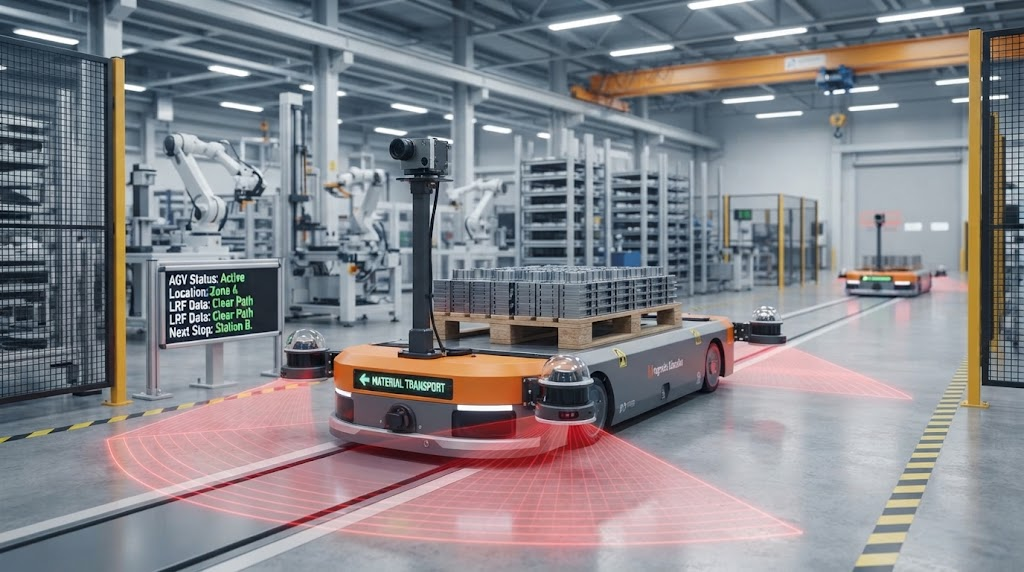
Problem: A global logistics company faced bottlenecks in its automated guided vehicle (AGV) system. Traditional ultrasonic sensors struggled with inconsistent material types and reflective surfaces, leading to frequent collisions and slow navigation within the warehouse. The need for precise positioning systems was critical.
Solution: Stalaser collaborated with the client to integrate custom 905nm LRF modules onto their AGV fleet. These modules provided highly accurate, real-time distance measurements to pallets, racks, and other vehicles, regardless of surface texture or color.
Results:
- 90% Reduction in Collisions: The enhanced precision measurement significantly improved obstacle detection and avoidance.
- 25% Increase in Throughput: AGVs could navigate faster and more reliably, reducing transit times between loading docks and storage.
- Measurable ROI: The project paid for itself within 18 months through reduced damage, improved operational efficiency, and lower maintenance costs.
“The integration of Stalaser’s LRF modules was a game-changer for our logistics operations. The accuracy and reliability they provided allowed us to push our automation capabilities further than we thought possible, directly impacting our bottom line.” – Dr. Lena Petrova, Head of Automation, Global Logistics Corp.
Case Study: Precision Welding in Automotive Manufacturing
Problem: An automotive manufacturer struggled with inconsistent weld quality on complex car body components. Traditional contact probes were too slow and risked damaging sensitive surfaces, while optical cameras lacked the depth precision required for accurate robotic welding path correction.
Solution: High-resolution 1064nm LRF modules were integrated into robotic welding cells. These modules provided continuous, non-contact dimensional measurement of the weld seam in real-time, feeding precise positional data back to the robot’s control system for dynamic path adjustment.
Results:
- 15% Improvement in Weld Quality: Sub-millimeter adjustments in real-time led to more consistent and stronger welds.
- 8% Reduction in Rework: Fewer defects meant less post-production correction, saving significant time and labor.
- Enhanced Tool Life: Precise positioning reduced wear on welding electrodes.
These cases underscore the tangible benefits that LRF module industrial applications bring, proving their value in achieving unprecedented levels of precision and efficiency.
Your LRF Module Questions Answered
Navigating the world of advanced laser ranging technology can bring up specific questions. Here are answers to common inquiries about LRF modules in industrial automation.
Q1: How do LRF modules perform in dusty or smoky industrial environments?
A1: While heavy dust or smoke can attenuate any optical signal, LRF modules, especially those operating at longer wavelengths like 1535nm or 1570nm, generally perform better than visible-light sensors. Their pulsed nature and sophisticated signal processing algorithms help filter out noise. Regular lens cleaning and proper sensor placement can also mitigate effects.
Q2: Can LRF modules measure distances to reflective or transparent surfaces accurately?
A2: Measuring to highly reflective surfaces (e.g., polished metal) can be challenging as the laser might specularly reflect away from the receiver. Transparent surfaces (e.g., clear glass) can cause the laser to pass through or reflect weakly. Specialized LRF modules with advanced optics and algorithms, or specific surface treatments, can improve performance in these scenarios. Testing in your specific environment is always recommended.
Q3: What are the typical power requirements and data interfaces for industrial LRF modules?
A3: Power requirements vary by module type and range, generally ranging from 5V to 24V DC. Data interfaces commonly include UART (serial), SPI, I2C, and increasingly, Ethernet (TCP/IP) for higher data rates and network integration. Analog outputs (e.g., 4-20mA) are also available for simple distance signaling in some models. Always check the specific module’s datasheet.
Q4: How does Stalaser ensure the eye safety of its LRF modules for industrial use?
A4: At Stalaser, eye safety is a paramount design consideration. Many of our LRF modules, especially the longer wavelength 1535nm and 1570nm series, are designed to be Class 1 eye-safe under normal operating conditions, meaning they pose no hazard to the naked eye. For other wavelengths like 905nm, designs adhere strictly to international safety standards (IEC 60825-1) and provide clear guidelines for safe deployment and operation, often incorporating features like low power output or diffused beams. For more information, please refer to our product specifications or Connect with Our LRF Experts.
Elevate Your Automation: Partner with Stalaser for LRF Solutions
The future of industrial automation hinges on precise, reliable data. LRF modules are not just components; they are critical enablers for next-generation robotics, advanced quality control, and optimized manufacturing processes.
Stalaser stands as a leader in high-performance, customizable LRF solutions. Our commitment to eye-safe, robust technology ensures your industrial operations achieve unparalleled precision measurement.
Ready to transform your automation capabilities? Discover how Stalaser’s LRF modules can provide the accuracy and reliability your systems demand. Connect with Our LRF Experts today for a consultation or to explore our comprehensive product range. Let us help you implement the Stalaser Precision Protocol and unlock new levels of efficiency and safety.
Ready to Achieve Unrivaled Precision?
Explore Stalaser’s advanced LRF modules and custom solutions designed for the toughest industrial automation challenges.
References Cited
- Statista. “Industrial automation market size worldwide 2021-2028.” Accessed [Current Month], 2026.
- International Organization for Standardization. “ISO 60825-1:2014 Safety of laser products – Part 1: Equipment classification and requirements.” Accessed [Current Month], 2026.