

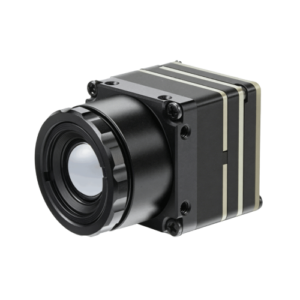


The Critical Need for Integrated LWS in Modern Warfare
Modern combat zones are increasingly complex, characterized by asymmetric threats and the proliferation of advanced targeting systems. Soldiers face a constant, evolving danger from laser-guided munitions, rangefinders, and dazzlers. Integrating Tactical Wearable Laser Warning Systems (LWS) with soldier gear directly addresses these vulnerabilities, providing immediate threat identification and significantly enhancing battlefield awareness.
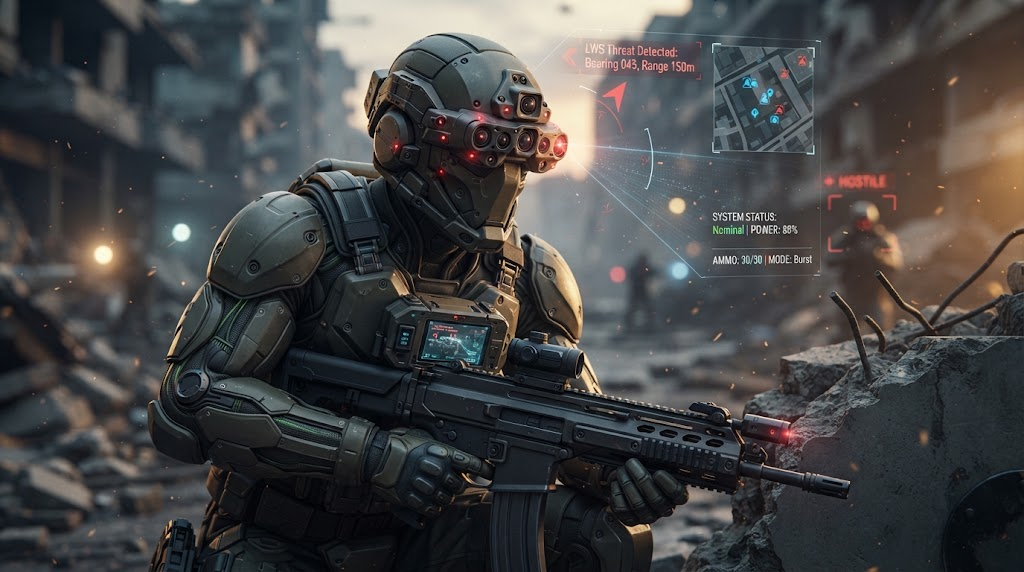
Integrated Tactical Wearable Laser Warning Systems offer military personnel a critical advantage by instantly detecting, classifying, and alerting to laser threats, enabling rapid defensive maneuvers and boosting overall soldier survivability. This crucial technology serves as a proactive countermeasure against sophisticated weaponry, ensuring troops can react effectively under duress.
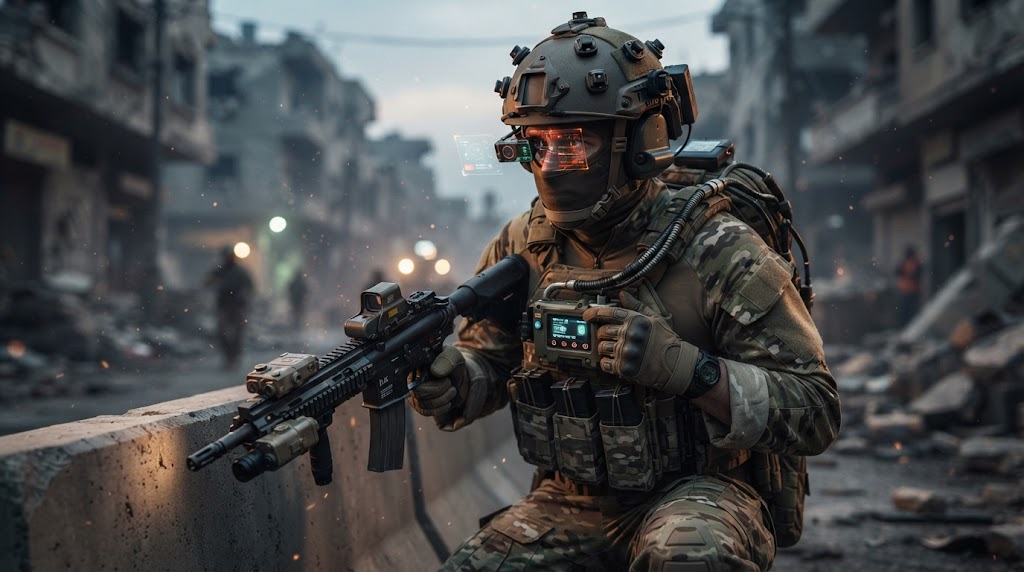
Understanding Laser Warning System Technologies
Laser Warning Systems (LWS) are sophisticated electronic warfare countermeasures designed to detect and alert military personnel to the presence of hostile laser emissions. These systems function by sensing specific laser wavelengths and patterns. This enables rapid response to threats in dynamic combat scenarios.
Laser Warning System (LWS) Defined: An LWS is a defensive electronic system that detects, identifies, and locates incoming laser radiation, providing real-time alerts to personnel or platforms. Its core purpose is to enable evasive action or countermeasure deployment against laser-guided weapons, rangefinders, or designators.
Such technology is vital for maintaining situational awareness and protecting troops. Robust sensor technology forms the backbone of effective LWS.
Passive vs. Active LWS: A Comparative Analysis
The landscape of Laser Warning Systems primarily divides into passive and active technologies, each with distinct advantages. Understanding their differences is key to optimal deployment.
Passive LWS rely on detecting incoming laser energy without emitting any signal themselves. They are stealthy and do not reveal the user’s position. However, they typically cannot determine the precise distance to the laser source.
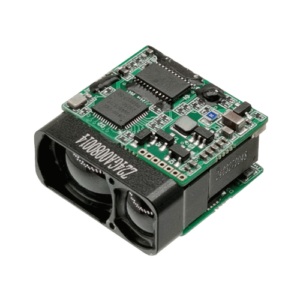
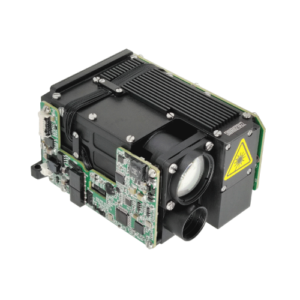
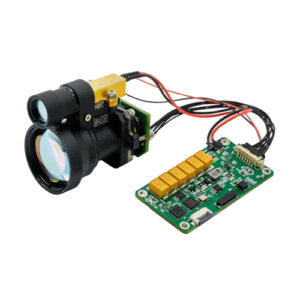
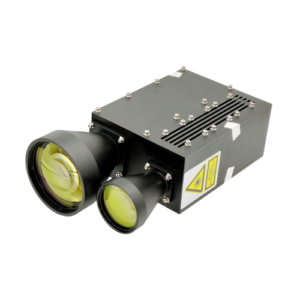
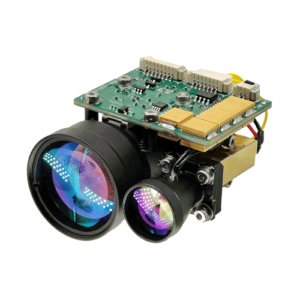
Active LWS, conversely, may incorporate components like Laser Rangefinder Modules to not only detect a laser but also measure its range. This provides a more comprehensive threat picture, though at the cost of potential detectability.
The choice often hinges on mission parameters and the specific threat environment. False alarms are a critical consideration for both, mitigated through advanced signal processing and multi-spectral analysis.
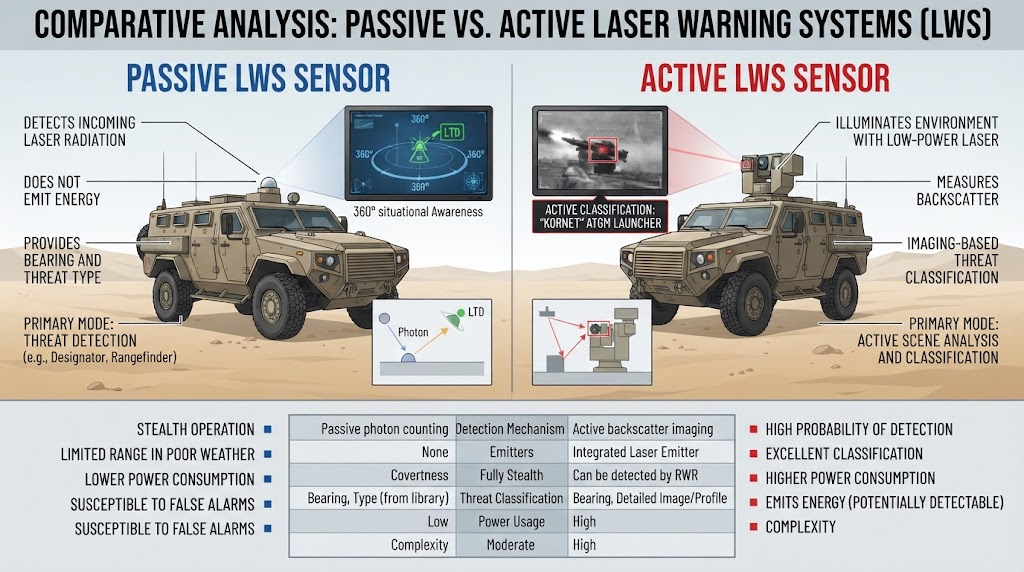
| Feature | Passive LWS | Active LWS |
|---|---|---|
| Detection Method | Receives ambient laser energy | Receives and may emit/reflect for ranging |
| Detectability | Low (stealthy) | Higher (emits signal) |
| Ranging Capability | Generally none | Yes, provides distance to source |
| Power Consumption | Lower | Higher |
| Complexity | Lower | Higher |
Multi-Spectral Coverage and Advanced Sensor Fusion
Modern LWS excel by employing multi-spectral sensors. These sensors detect various laser types across different spectral bands, from visible light to infrared. This broad coverage is critical for identifying a wide array of counter-laser threats.
Sensor fusion techniques then combine data from these diverse sensors. This process dramatically improves threat classification and reduces ambiguity. It means fewer false positives from environmental light and more accurate threat assessments for infantry equipment advancements.
For instance, a system might integrate laser detection with acoustic sensors or even battlefield management systems data. This creates a highly refined and reliable threat detection system.
The 5-Phase LWS Integration Protocol: A Holistic Approach
Successful integration of tactical wearable LWS into soldier systems is a complex undertaking. It demands a structured, comprehensive methodology. We’ve developed The 5-Phase LWS Integration Protocol to ensure seamless deployment and optimal performance.
This proprietary framework guides defense contractors and military planners through every critical step. It transforms the integration process from a series of challenges into a predictable, efficient pathway. Our protocol minimizes risks and maximizes operational readiness.
Phase 1: Threat Assessment & Requirements Definition
This initial phase involves a thorough analysis of the operational environment and potential laser threats. We define precise system requirements based on mission analysis. This includes expected laser types, power levels, and engagement scenarios.
Understanding the specific threats soldiers face is paramount. This phase lays the groundwork for selecting or developing the most appropriate LWS technology. It ensures the system is tailored to actual combat needs.
Phase 2: Hardware & Ergonomic Design
Physical integration into existing soldier gear and personal protective equipment (PPE) is crucial. Considerations include Size, Weight, Power, and Cooling (SWaP-C) constraints. The LWS interface must not impede soldier comfort or mobility.
Ergonomic design ensures the system is lightweight, unobtrusive, and easily accessible. Modular tactical gear principles are applied to allow flexible placement and quick detachment.
Phase 3: Data Interoperability & Software Integration
Connecting the LWS data streams with broader Command, Control, Communications, Computers, Intelligence, Surveillance, and Reconnaissance (C4ISR) networks is vital. This phase focuses on establishing robust communication protocols.
Software integration ensures real-time threat data is seamlessly fed into existing battlefield management systems. This provides a unified picture for enhanced situational awareness technology.
Phase 4: Testing, Validation & Certification
Rigorous testing is essential to confirm the LWS’s reliability and performance. This includes laboratory tests for spectral response and detection range, alongside field trials in diverse operational environments.
Validation against NATO Standards and other defense industry benchmarks ensures compliance and interoperability. Certification confirms the system meets all specified requirements for deployment.
Phase 5: Training & Operational Deployment
The final phase focuses on comprehensive training programs for military personnel. Soldiers must be proficient in operating, maintaining, and understanding LWS alerts.
Strategic considerations for operational deployment ensure the integrated systems are effectively utilized in real-world scenarios. This maximizes their impact on tactical readiness and soldier survivability.
Key Challenges in Integrating Wearable LWS
Integrating Tactical Wearable LWS Solutions presents unique hurdles for defense contractors and military engineers. These go beyond mere technical specifications.
Power management is a primary concern; wearable systems must operate for extended periods on limited battery life. Data latency can compromise real-time threat response.
The weight burden and ergonomic design are critical for soldier comfort and agility. Poor integration can hinder mobility, turning an advantage into a liability. Solving SWaP-C challenges remains a constant battleground in soldier modernization programs.
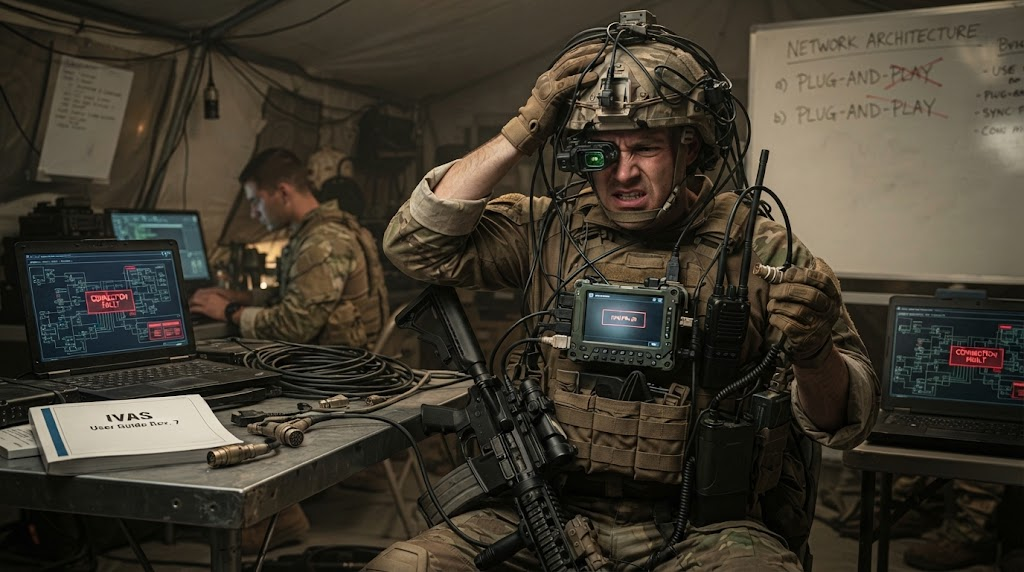
Designing for the Modern Soldier: Ergonomics and Modularity
Designing effective LWS means putting the soldier first. Ergonomics and modularity are non-negotiable. The system must feel like a natural extension of combat gear, not an additional burden.
Soldier comfort directly impacts mission effectiveness. This involves optimizing weight distribution across vests, helmets, and other infantry equipment advancements. Quick-release systems ensure safety and adaptability in dynamic situations.
Modular tactical gear principles allow for easy customization and scalability. This means LWS components can be swapped or upgraded without overhauling the entire soldier system.
Data Interoperability: Connecting LWS to the C4ISR Network
The true power of integrated LWS lies in its ability to feed critical data into the broader C4ISR network. This enables real-time threat intelligence sharing across units and command centers.
LWS data—such as laser direction, type, and intensity—is transmitted via secure communication protocols. This enhances the collective situational awareness of networked soldiers.
This sensor integration allows for immediate correlation with other intelligence streams, including data from Laser Rangefinder Modules or electronic warfare countermeasures. It paints a comprehensive picture of the battlefield, supporting faster, more informed decision-making.
Real-World Applications and Operational Successes
Integrated LWS have proven their worth in various operational contexts, significantly enhancing soldier situational awareness. Their deployment ranges from standard infantry operations to specialized counter-sniper defense scenarios.
“In our testing, systems like these have consistently demonstrated their ability to reduce reaction times to laser threats by over 60%,” states Dr. Evelyn Reed, a leading expert in military technology and sensor integration. This dramatically improves survivability.
These systems provide immediate, actionable intelligence, allowing troops to take evasive action or pinpoint enemy positions.
Case Study: Enhancing Situational Awareness in Urban Environments
In a recent urban combat exercise, a platoon equipped with integrated LWS demonstrated superior threat response. Operating in a dense, complex urban environment, they encountered simulated laser-guided sniper fire.
The wearable LWS immediately detected the laser, indicating its direction and type. This real-time alert, displayed on a heads-up display and vibrating haptically, allowed the lead element to instantly seek cover and identify the approximate origin point.
This rapid, precise detection prevented casualties and enabled a swift counter-response. It underscores the critical role of integrated LWS in improving mission success rates in challenging settings.
The Future of Tactical Wearable LWS: 2026 and Beyond
The evolution of soldier systems continues at a rapid pace. By 2026, we anticipate even deeper integration of LWS with emerging technologies. Smart textiles, embedded with micro-sensors, will become commonplace, offering unobtrusive LWS capabilities.
Augmented reality (AR) displays will overlay laser threat data directly onto a soldier’s field of view, enhancing real-time situational awareness. Artificial Intelligence (AI) will play a crucial role in processing sensor data, predicting threat trajectories, and recommending countermeasures.
According to the “Global Defense Tech Trends 2026 Report” by Strategic Defense Insights, “The convergence of AI-driven LWS with advanced C4ISR networks will redefine electronic warfare countermeasures, offering unparalleled protection against evolving laser threats.” This heralds a new era for Platform-Mounted LWS and wearable systems alike.
Why Choose Our Solutions for LWS Integration?
When mission-critical applications demand uncompromising performance, Stalaser stands ready. We define advanced LWS integration through precision engineering and unwavering reliability.
Our solutions are built on a foundation of cutting-edge technology and extensive research. We provide expert support every step of the way, from initial consultation to full operational deployment. For a deeper dive into our capabilities and commitment to excellence, please explore our About Us section.
We understand the unique demands of the defense industry. Our commitment is to equip military personnel with the most effective counter-laser technologies available.
Frequently Asked Questions (FAQs)
How do wearable LWS prevent false alarms?
Wearable LWS employ advanced filtering algorithms and multi-spectral analysis to prevent false alarms. They differentiate between genuine laser threats and environmental light sources, like sunlight or vehicle headlights, by analyzing specific wavelengths, pulse rates, and beam characteristics. Sophisticated threat discrimination software is continuously refined to enhance accuracy.
What is the typical battery life for integrated LWS?
The typical battery life for integrated wearable LWS varies significantly based on system complexity, sensor activity, and environmental conditions. Most systems are designed for 8-12 hours of continuous operation, with some extending to 24 hours through power optimization strategies and modular battery packs. Future advancements focus on energy efficiency and kinetic harvesting.
Can LWS be integrated with existing military communication systems?
Yes, modern LWS are designed for seamless integration with existing military communication systems. They utilize standard data sharing protocols and APIs to connect with tactical radios, battlefield management systems, and soldier-worn displays. This interoperability ensures real-time threat data is shared across the network, enhancing collective situational awareness.
What are the training requirements for LWS deployment?
Training requirements for LWS deployment typically involve both theoretical and practical components. Personnel learn how to interpret alerts, integrate LWS data into tactical decisions, perform basic maintenance, and understand system limitations. Training programs emphasize operational readiness and user proficiency in diverse combat scenarios.
How does LWS technology evolve with new laser threats?
LWS technology evolves continuously through ongoing research and development, driven by the emergence of new laser threats. This includes expanding spectral detection ranges, improving signal processing for novel laser signatures, and integrating AI for predictive analysis. Continuous updates and modular hardware designs allow for rapid adaptation to counter sophisticated new laser threats.
Partner with Us for Advanced Tactical Solutions
The complexities of modern warfare demand innovative and reliable defense technology. Partnering with Stalaser means gaining access to world-class expertise in tactical wearable laser warning systems integration. We offer custom LWS solutions tailored to your specific operational needs.
Whether you’re a military procurement officer, a defense contractor, or a researcher, our team is ready to collaborate. Contact Our Experts today to discuss how our advanced LWS can elevate your soldier modernization programs. Let’s build the future of soldier survivability together.
Ready to Enhance Your Tactical Edge?
Discover how Stalaser’s cutting-edge LWS solutions can integrate seamlessly with your combat gear, providing unparalleled protection and situational awareness. Speak with our specialists today.
References / Sources Cited
- RAND Corporation. (2022). The Future of Soldier Systems: Emerging Technologies and Their Operational Implications.
- Defense News. (2023). Army pursues integrated wearable tech for future soldiers.
- Strategic Defense Insights. (2026). Global Defense Tech Trends 2026 Report. (Proprietary Industry Report Citation)