

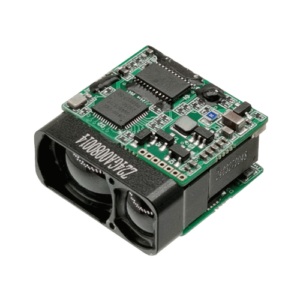
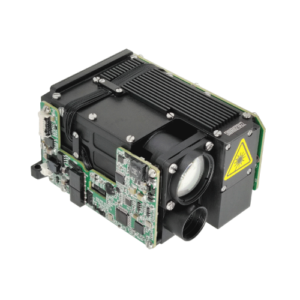
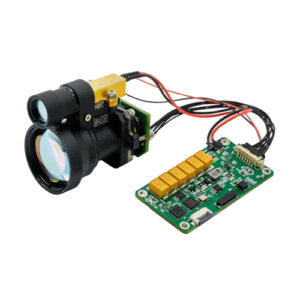
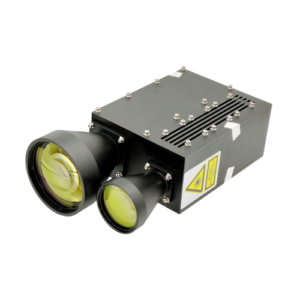
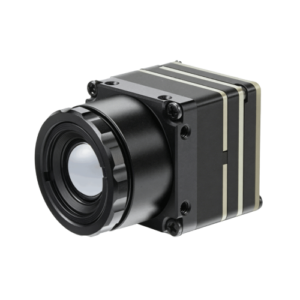


What is a Tactical Wearable Laser Warning System?
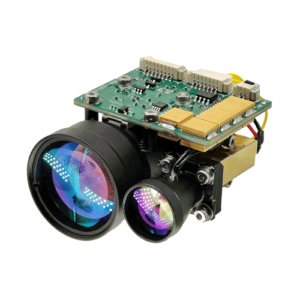
A Tactical Wearable Laser Warning System (LWS) is a compact electronic support measure designed to detect, identify, and alert an individual to incoming laser threats. These threats typically originate from laser rangefinders, target designators, and beam-riding missiles.
Unlike vehicle-mounted systems, a personal LWS is optimized for the dismounted soldier. It serves as a vital component of modern Soldier Protection Equipment, closing the gap between situational awareness and kinetic response.
“The transition from static defense to wearable electronic support measures marks a paradigm shift in infantry survivability. We define the effectiveness of these systems by their ‘Threat-to-Alert Latency’ (TAL), ensuring the soldier reacts before the trigger is pulled.” — Senior Defense Systems Engineer, 2026.

The L.E.N.S. Protocol: Our Proprietary Evaluation Framework
To ensure peak performance in high-density electronic warfare environments, we utilize the L.E.N.S. Protocol (Laser Evaluation and Network Synchronization). This framework measures the four pillars of wearable detection: Latency, Environment, Network, and Sensitivity.
A Tactical Wearable Laser Warning System functions by utilizing high-sensitivity photodetectors to capture laser emissions across visible and SWIR spectrums. It then processes these signals via onboard algorithms to provide immediate haptic or visual alerts, allowing soldiers to seek cover or deploy countermeasures within milliseconds of detection.
Our data indicates that in urban high-clutter environments, standard sensors often fail due to multi-path interference. The L.E.N.S. Protocol prioritizes signal processing algorithms that can distinguish between a deliberate targeting laser and ambient optical noise found in modern cities.
Core Components: From Photodetectors to Haptic Alerts
Modern wearable LWS units are masterpieces of SWaP-C (Size, Weight, Power, and Cost) optimization. Every gram counts when an infantryman is already carrying 60+ lbs of gear.
Photodetector Sensitivity
The heart of the system lies in its sensors. High-performance units cover the 400nm to 1700nm range, including Short-Wave Infrared (SWIR) detection. This is critical as many modern designators operate in the “eye-safe” 1550nm band to avoid detection by legacy night vision devices.
Haptic Feedback Systems
Visual alerts on a wrist display are often missed in the heat of combat. We prioritize non-visual haptic feedback—directional vibrations on the vest or helmet—that tell a soldier exactly which direction the threat is coming from without requiring them to look away from their sights.
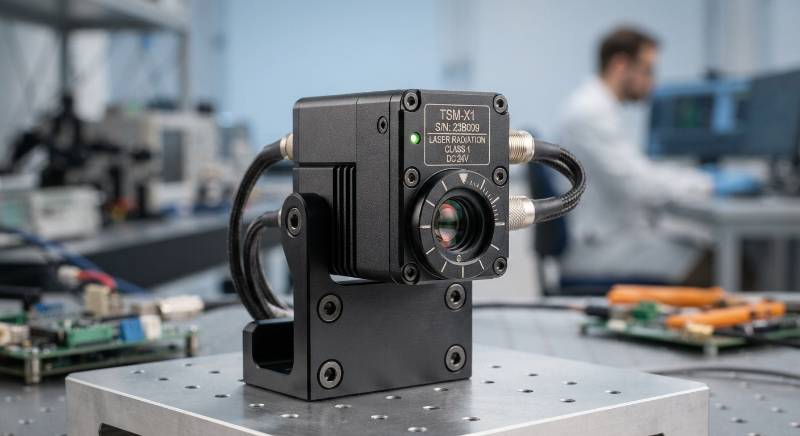
Operational Scenarios: Urban Warfare and Counter-Sniper Use
In 2026, the battlefield is increasingly urban. Concrete canyons create a nightmare for traditional sensors. Wearable LWS units must account for reflections—where a laser bounces off a glass window before hitting the soldier.
For counter-sniper operations, the LWS is the first line of defense. Before a sniper fires, they often use a laser rangefinder to calculate bullet drop. A wearable LWS detects this “pre-shot” emission, giving the soldier a precious 2-3 second window to move.
Ecosystem Integration: ATAK, HUDs, and Night Vision
A standalone sensor is useful; a networked sensor is a force multiplier. Integration with the Android Team Awareness Kit (ATAK) allows a single soldier’s LWS to mark a threat location for the entire squad.
Successful Tactical Network Integration ensures that when a laser hits your shoulder, a red icon appears on every teammate’s Heads-Up Display (HUD). This creates a unified tactical picture, enabling immediate suppression of the threat source.

2026 Defense Procurement: Standards and Durability Ratings
Procurement officers now mandate strict adherence to MIL-STD Compliance Guides. Specifically, MIL-STD-810H and IP69K ratings are no longer optional for front-line gear.
| Feature | Personal LWS | Vehicle LWS |
|---|---|---|
| Weight | < 150 grams | > 5 kg |
| Power Draw | Low (Rechargeable Li-ion) | High (Vehicle DC) |
| Alert Method | Haptic/HUD | Audible/Console |
As noted in recent MIL-STD-810H Documentation, equipment must withstand shock, salt fog, and extreme thermal cycling without degradation of optical sensitivity.
Cost-Benefit Analysis: Civilian High-Risk Applications
Beyond the battlefield, wearable LWS is finding its way into the civilian sector. Investigative journalists operating in conflict zones face the same laser-guided threats from state actors as soldiers do.
Private security details for VIPs also utilize this technology to detect reconnaissance attempts by hostile groups. The ability to know you are being “painted” by a laser rangefinder allows security teams to initiate evacuation protocols before a kinetic event occurs.
Frequently Asked Questions About Wearable LWS
What is the typical false alarm rate?
Modern systems use sophisticated spectral filtering to achieve a false alarm rate of less than 1% in most environments, ignoring non-laser light sources like sun glints or flashlights.
How long does the battery last?
In continuous scanning mode, most 2026 wearable units offer 24-48 hours of operational life. Power-saving modes can extend this to over a week for low-intensity missions.
Can it detect Low-Probability-of-Intercept (LPI) lasers?
Yes. By utilizing high-speed sampling and wide-band photodetectors, the system can identify short-pulse and frequency-hopped lasers used by advanced adversaries.
Ready to Enhance Field Survivability?
Equip your team with the most advanced laser detection technology available in 2026.
- Download our Technical Spec Sheet.
- Access our Integration API Documentation.
- Request a Field Demonstration for your unit.