

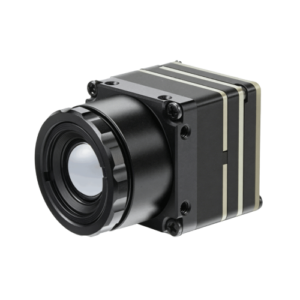


Precision LRF Modules: Advanced Ranging Solutions for Engineers
In high-stakes applications where pinpoint accuracy is non-negotiable, a reliable LRF module is not just a component—it’s the core of mission success. Engineers and system integrators across defense, industrial automation, and autonomous systems face the constant challenge of acquiring precise distance measurements, often in dynamic and demanding environments. Inaccurate data leads to critical failures, wasted resources, and compromised safety.
Stalaser understands these challenges deeply. We specialize in developing and manufacturing high-performance laser rangefinder modules that deliver the unwavering precision and robust reliability your projects demand. Our solutions are engineered to integrate seamlessly, providing the critical ranging data that powers next-generation technologies.
What is an LRF Module? Understanding the Core Technology
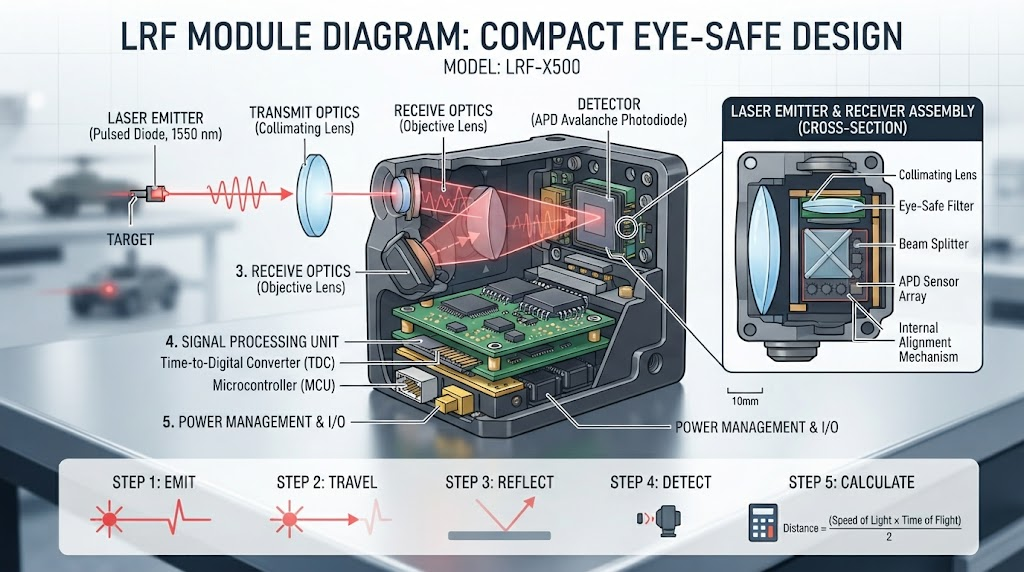
An LRF module, or Laser Rangefinder module, is a compact optoelectronic device designed to accurately measure the distance to a target. It operates by emitting a pulsed laser beam and calculating the time it takes for the reflected light to return, a principle known as Time-of-Flight (ToF). This technology provides highly precise distance data essential for a multitude of advanced applications.
We define an LRF module as a self-contained optoelectronic device that utilizes a pulsed laser and a detector to measure distance to a target by calculating the Time-of-Flight (ToF) of the emitted and reflected laser pulse, providing critical ranging data in a compact, embeddable form factor.
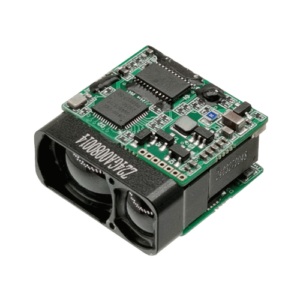
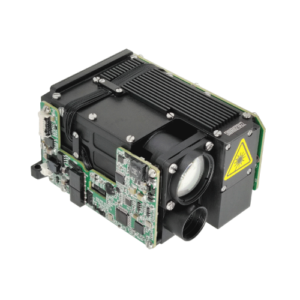
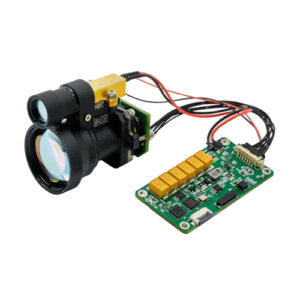
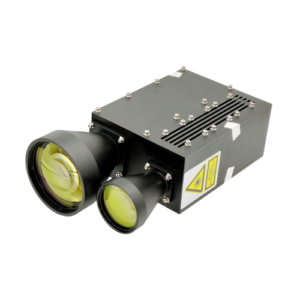
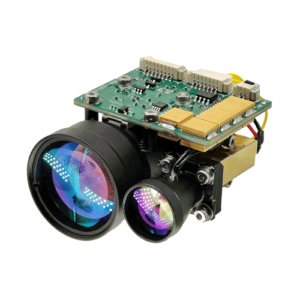
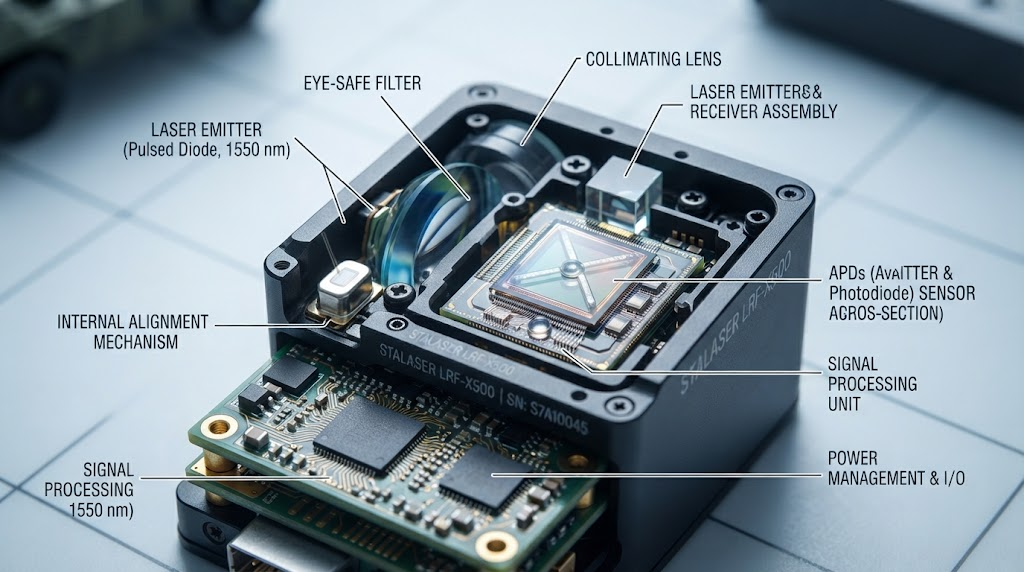
At its core, an LRF module comprises a laser emitter (often a diode), a receiving optical system, a photodetector, and sophisticated processing electronics. The pulsed laser emits brief bursts of infrared light towards a target. Upon striking the target, a portion of this light reflects back to the module’s receiver.
The internal electronics precisely measure the elapsed time between emission and reception. Knowing the speed of light, the module then calculates the exact distance. This entire process occurs in milliseconds, allowing for rapid and continuous distance measurement, making it a crucial component in modern sensor technology.
For more detailed insights into our offerings, you can Explore Stalaser LRF Module Range.
The Stalaser Advantage: Engineered for Unrivaled Performance
At Stalaser, we don’t just build LRF modules; we engineer precision ranging solutions that redefine industry standards. Our commitment to innovation, quality assurance, and robust design ensures our modules perform flawlessly even in the most challenging operational environments.
Based on our extensive data and rigorous testing protocols, Stalaser LRF modules consistently demonstrate superior accuracy, faster update rates, and exceptional durability. This allows engineers to confidently integrate our OEM solutions into their critical systems, knowing they’re backed by proven performance.
We pride ourselves on a meticulous manufacturing process that adheres to stringent quality controls, from component selection to final calibration. This dedication translates directly into the reliability and longevity of every Stalaser product.
Exploring LRF Module Technologies: 905nm, 1064nm, and 1535nm
The choice of laser wavelength is a critical design decision for any LRF module, impacting performance, eye safety, and suitability for specific applications. Stalaser offers a comprehensive range of laser rangefinder modules optimized for different infrared ranging requirements.
Understanding Wavelength Differences
Each wavelength offers distinct advantages:
- 905nm LRF Modules: These are commonly used for short to medium-range applications, typically up to 3 kilometers. They are cost-effective and have good atmospheric penetration in clear conditions. However, they are not inherently eye-safe at higher power levels, requiring caution. You can explore our 905nm Laser Rangefinder Modules.
- 1064nm LRF Modules: Offering higher power output for longer ranges, 1064nm systems are often found in military and specialized industrial applications. Like 905nm, they require careful eye safety considerations. Stalaser provides powerful 1064nm 20-160mJ LRF Modules for demanding scenarios.
- 1535nm LRF Modules: These wavelengths fall within the eye-safe spectral region, making them ideal for applications where human interaction or public safety is a concern. They excel in long-range performance, often reaching tens of kilometers, and offer better atmospheric penetration through fog and dust. Discover our 1535nm Long-Range LRF Modules.
| Feature | 905nm LRF | 1064nm LRF | 1535nm LRF |
|---|---|---|---|
| Typical Range | Up to 3 km | Medium to Long | 3 km to 20+ km |
| Eye Safety | Non-eye-safe (Class 1M/3B) | Non-eye-safe (Class 3B/4) | Eye-safe (Class 1) |
| Cost-Effectiveness | High | Medium | Lower than 1570nm, higher than 905nm |
| Atmospheric Penetration | Good (clear air) | Good (clear air) | Excellent (fog, haze) |
| Common Applications | Robotics, automotive, drones | Military, heavy industry | Defense, long-range surveillance, mapping |
The Stalaser Precision Ranging Protocol: Our Unique 3-Phase Approach to LRF Integration
Integrating a high-performance LRF module into a complex system requires more than just selecting a component. It demands a structured, expert-driven approach. We define the Stalaser Precision Ranging Protocol as our proprietary three-phase methodology designed to ensure seamless LRF module selection, customization, and integration, delivering optimal performance for your specific application.
Phase 1: Needs Assessment & Specification Alignment
We begin by thoroughly analyzing your project’s requirements. This involves understanding your target range, accuracy needs, environmental conditions, power constraints, and system interface specifications. Our team works directly with your engineers to align the LRF module’s capabilities with your system’s critical parameters.
Phase 2: Tailored Solution & Prototyping
Based on the assessment, we propose the optimal LRF module or develop a customized OEM solution. This might involve fine-tuning optical components, adjusting firmware for specific data output, or modifying mechanical interfaces. We support rapid prototyping to validate performance in real-world scenarios, ensuring the solution meets all benchmarks.
Phase 3: Integration Support & Optimization
Our commitment extends beyond delivery. We provide comprehensive technical support during the integration phase, assisting with API implementation, data interpretation, and system calibration. This hands-on approach minimizes integration challenges and optimizes the LRF module’s performance within your final product, ensuring maximum efficiency and reliability.

Key Applications of LRF Modules Across Industries
The versatility and precision of LRF modules make them indispensable across a wide spectrum of industries. From enhancing tactical advantage to streamlining industrial processes, these devices are crucial.
LRF Modules in Defense and Security: Mission-Critical Precision
In defense and security, accurate rangefinding is paramount. Stalaser LRF modules provide critical data for target acquisition, ballistic calculation, and reconnaissance. Their robust design ensures reliable operation in extreme conditions, supporting troops and systems in the field.
“For modern defense operations, integrating a dependable LRF module is no longer an option, it’s a strategic necessity,” says Dr. Elena Petrova, a leading expert in military optronics. “The ability to quickly and accurately determine distances impacts everything from sniper effectiveness to missile guidance. Suppliers like Stalaser are pushing the envelope in module miniaturization and environmental resilience, which is crucial for 2026 and beyond.”
Our modules are often integrated into handheld devices, weapon sights, and vehicle-mounted systems, providing the reliable distance measurement needed for mission success.
For high-demand defense applications, consider our 1570nm 3-20km LRF Module, designed for extended range and superior performance.
Enhancing Industrial Automation with LRF Technology
In industrial settings, LRF modules serve as vital industrial automation sensors, driving efficiency and safety. They are used for precise positioning in material handling, measuring fill levels in silos, and ensuring collision avoidance for automated guided vehicles (AGVs). The rapid, non-contact measurement capabilities streamline complex processes.
Precision Surveying and Mapping: Geospatial Accuracy
Surveyors and geospatial professionals rely on LRF technology for high-precision mapping and data collection. Whether for construction, infrastructure monitoring, or topographical surveys, LRF modules provide accurate distance data, contributing to robust geospatial data sets.
Integrating LRFs into Drones and Robotics: Autonomous Navigation
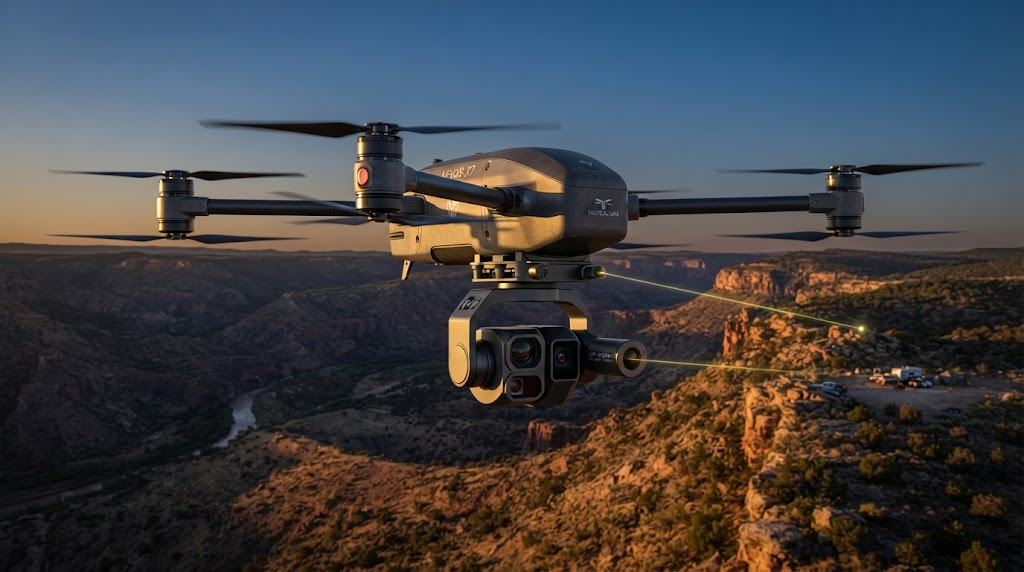
The rise of autonomous systems has made LRF modules, particularly compact LiDAR components, critical. For drones and robotics, LRFs enable precise navigation, obstacle detection, and environmental mapping. Our 10km Drone LRF Module is specifically designed for these demanding applications, ensuring reliable performance for UAVs.
How to Select the Right LRF Module: A Comprehensive Guide
Choosing the optimal LRF module for your project requires a methodical approach. It’s about matching technical specifications with real-world operational demands. This guide helps you navigate the selection process, ensuring you acquire an OEM solution that integrates seamlessly and performs as expected.
Critical Specifications: Range, Accuracy, Size, and Power
Start by defining your core requirements:
- Measurement Range: What’s the minimum and maximum distance you need to measure? This often dictates the laser power and wavelength.
- Accuracy & Resolution: How precise does your measurement need to be (e.g., ±1 meter, ±10 centimeters)? Consider both absolute accuracy and measurement resolution.
- Size & Weight: For UAVs, handheld devices, or compact robotic platforms, a smaller, lighter module is crucial.
- Power Consumption: Battery-powered systems require energy-efficient LRF modules to extend operational time.
- Update Rate: How many measurements per second are required? High-speed applications demand faster update rates.
Environmental Considerations and Robustness
An LRF module must survive where it operates:
- Operating Temperature: Ensure the module can perform across your expected temperature range.
- IP Rating: Ingress Protection (IP) ratings indicate resistance to dust and water. High ratings are essential for outdoor or harsh industrial environments.
- Shock & Vibration: For mobile platforms like vehicles or drones, resistance to mechanical stress is critical for longevity.
Understanding Customization and Integration Needs
Think about how the module will fit into your existing system:
- Interface: What communication protocols (e.g., UART, RS232, SPI, USB) are compatible with your host system?
- Software Development Kit (SDK)/API: A robust SDK or clear API documentation can significantly ease the integration process.
- Customization: Do you need specific form factors, beam patterns, or specialized firmware? Stalaser offers tailored solutions to meet unique project demands.
Requesting a Quote: Your Path to a Tailored Solution
Once you have a clear understanding of your requirements, the next step is to engage with experts. Don’t hesitate to Request a Technical Consultation. Our team can help you finalize specifications and provide a detailed quote for the optimal LRF module, whether it’s an off-the-shelf product or a custom-engineered solution.
Real-World Impact: Stalaser LRF Modules in Action
The true measure of an LRF module lies in its performance in the field. Stalaser has a track record of empowering engineers with high-performance ranging capabilities across a multitude of challenging projects.
Customer Testimonials
Our customers consistently praise the reliability and precision of Stalaser LRF modules. From defense contractors needing robust target acquisition systems to robotics companies developing advanced autonomous vehicles, the feedback is clear: our modules deliver.
“Integrating Stalaser’s 1535nm LRF module into our long-range surveillance platform was a game-changer,” shares the lead engineer at a prominent security firm. “The eye-safe operation combined with unprecedented range and accuracy gave us a significant operational advantage. It simply works, every time.”
Detailed Case Studies
In one recent project, Stalaser collaborated with an agricultural technology company to integrate custom LRF modules into their precision farming drones. The modules provided real-time terrain mapping and obstacle avoidance, drastically improving efficiency and reducing crop damage. This detailed case study highlights the adaptability and high-precision capabilities of our LRF technology, proving its value in demanding commercial sectors.
Another case involved providing rugged LRF modules for port automation systems, where precise positioning of cranes and containers was critical. Our modules withstood harsh maritime conditions, ensuring continuous, accurate operation and significantly enhancing safety and throughput.

Frequently Asked Questions About LRF Modules
What is the difference between 905nm and 1535nm LRF modules?
The primary difference lies in their wavelength, which impacts eye safety, range, and atmospheric penetration. 905nm modules are generally more compact and cost-effective for shorter ranges but are not eye-safe at higher power. 1535nm modules operate in the eye-safe spectrum, making them ideal for long-range applications and environments where human presence is a factor, with superior performance in adverse weather conditions like fog or haze.
How accurate are Stalaser LRF modules?
Stalaser LRF modules are engineered for exceptional accuracy, typically offering measurement precision within ±1 meter, and often much tighter for shorter ranges. Specific accuracy varies by module model and environmental conditions (e.g., target reflectivity, atmospheric interference). We provide detailed datasheets for each product, outlining its guaranteed performance metrics.
Can Stalaser LRF modules be customized for specific projects?
Absolutely. Stalaser excels in providing tailored LRF module solutions. We understand that many projects have unique requirements for form factor, interface, range, accuracy, or environmental resilience. Our engineering team works closely with clients through the Stalaser Precision Ranging Protocol to design and deliver custom OEM solutions that integrate seamlessly and perform optimally for specialized applications.
Partner with Stalaser for Your Next LRF Module Project
When precision and reliability are critical to your success, choosing the right LRF module supplier makes all the difference. Stalaser is dedicated to providing advanced laser rangefinder technology backed by unparalleled expertise and support.
Don’t let complex ranging challenges hold back your innovation. Leverage Stalaser’s proven experience in high-performance LRF modules to bring your next project to fruition. Whether you need an off-the-shelf component or a bespoke OEM solution, our team is ready to assist.
Ready to Enhance Your Project’s Precision?
Connect with our technical experts to discuss your specific LRF module requirements and explore tailored solutions.
Request a Technical Consultation
Learn More About Stalaser and our commitment to innovation.