
 EN
EN
EN
EN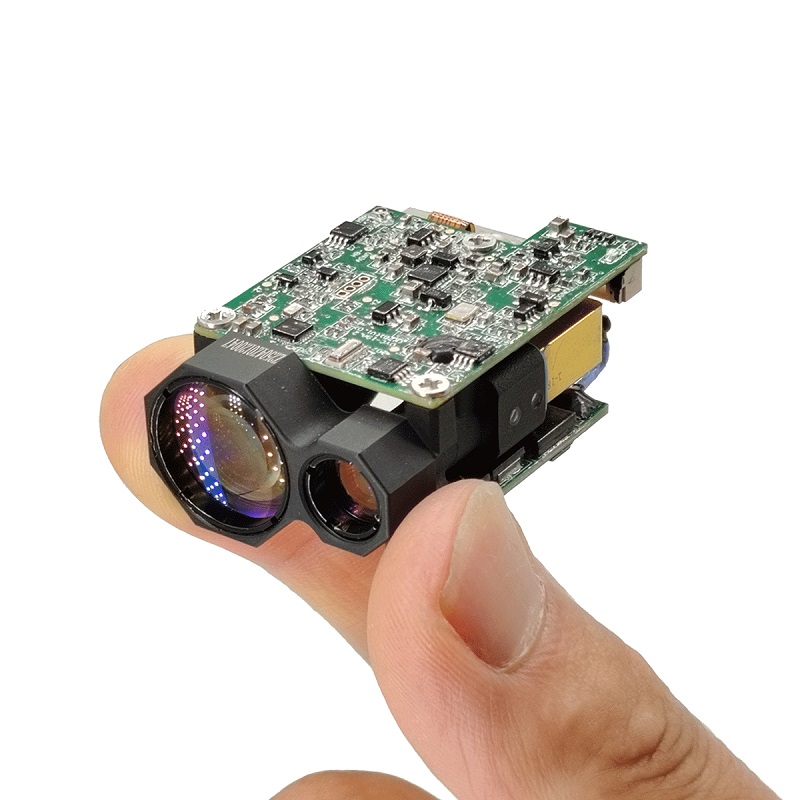
Product performance index:
| Project name | Technical parameter | Remarks |
| Product model | STA-LRD30X | |
| Eye safety | Class 1 (IEC 60825-1) | |
| Laser wave length | 1535±5nm | |
| Aim range | Φ13mm | |
| Receiving aperture | Φ16.5mm | |
| Range of measurement | 15-5000m | |
| Maximum measurement range | ≥7000m | Typical targets;Reflectivity ≥80% |
| ≥5000m | Building;Reflectivity ≥60% | |
| ≥3000m | NATO Target | |
| ≥2000m | human being | |
| ≥1000m | UVA | |
| Minimum measurement range | 15m | |
| Ranging accuracy | ±1m (RMS) | |
| Range frequency | 1-10Hz | |
| Resolution of ranging | 20m | |
| Accuracy rate | ≥98% | |
| False alarm rate | ≤ 1% | |
| Multi-target detection | 3 (maximum number) | |
| Electrical indicators | ||
| Iinterface type | UART(TTL_3.3V) | |
| Baud rate | 115200bps (factory default) / 57600bps / 9600bps | |
| Service voltage | DC4.5~16 V | |
| Power dissipation | await the opportune moment | ≤0.6W |
| work | ≤1.5W@1hz | |
| peak value | ≤7W@12V | |
| Physical characteristics | ||
| Weight | 32±1g | |
| Size | 48×30.5×21mm | |
| Lash | 1200g, 1ms | |
| Vibrate | 5~50~5Hz, 1 octave/min,2.5g | |
| Laser axis stability | ≤0.05mrad | |
| The optical axis is parallel to the installation reference error | ≤0.3mrad | |
| Environmental suitability | ||
| Working temperature | -40~+70 °C | |
| Storage temperature | -55~+75 °C | |
| Temperature ictus | +70℃ 、-50℃ | |
| Reliability | MTBF ≥ 1500h | |
| Major function | A) Initial and final target ranging function;
b) Multi-target ranging function; c) Distance to the switching function; D) External power control function; E) Laser cumulative count function |
|
Notes:
1) NATO target size 2.3 m × 2.3 m; Human target size 0.5 m × 1.7 m; UAV target size 0.3 m × 0.3 m; Reflectivity 30%, Humidity≤50%,observer visibility≥ 12km
Customer interface:
Electrical interface
The electrical interface requirements are as follows:
A) Power supply voltage: 4.5V~16V;
b) Standby power consumption: less than or equal to 0.6W;
c) Average power consumption: less than or equal to 1.5W@1Hz;
d) Peak power consumption: less than or equal to 7W@12V;
e) Interface definition: Connector model: Yangtze River connector: A1257WR-S-6P, the pin definition of power supply and communication port at the distance meter end is shown in Table 1.
Definition of power supply and communication port pins for rangefinder
| pin | grade | remarks |
| 1 | VIN+ | Power supply, 4.5~16V |
| 2 | VIN+ | Power supply, ground |
| 3 | POWER_ON | Module power switch, TTL_3.3V level;
Module on (> 2.7V), module off (<0.3V) |
| 4 | UART_TX | Serial port transmitter, TTL_3.3V level |
| 5 | UART_RX | Serial port receiver, TTL_3.3V level |
| 6 | GND | Serial port ground |
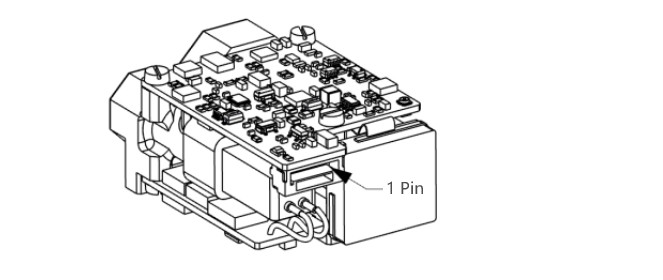
Pin 1 schematic diagram
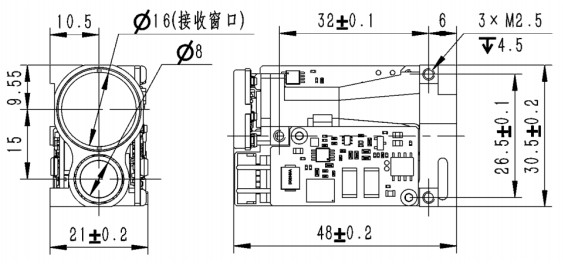
mechanical interface:
The external dimensions of the ranging module and the user installation interface are shown in the figure below.
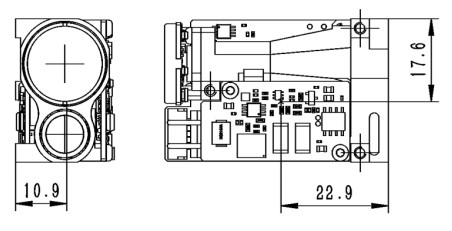
The center of mass is shown below:
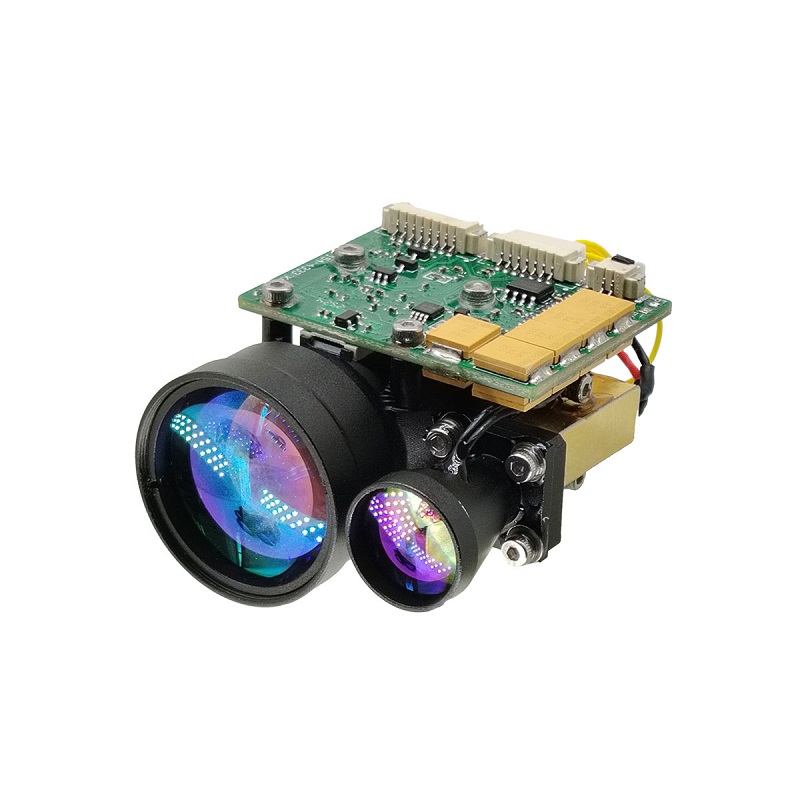
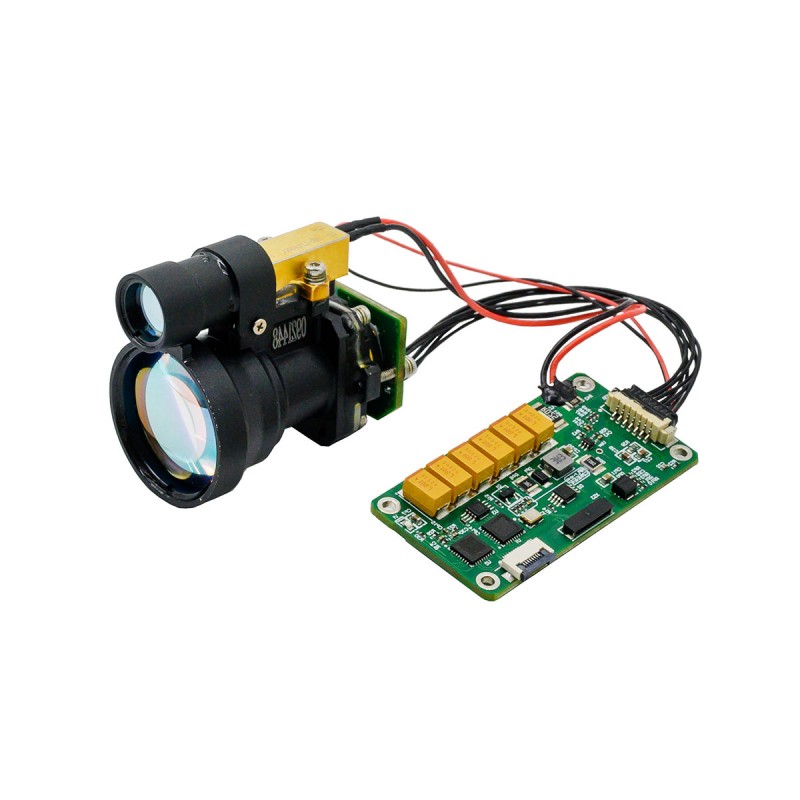
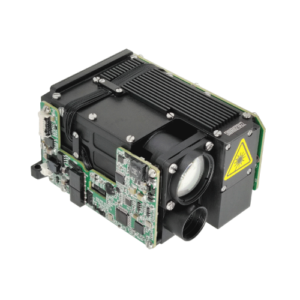
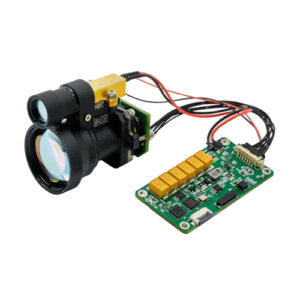
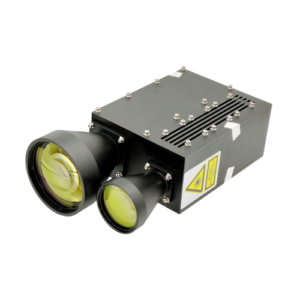
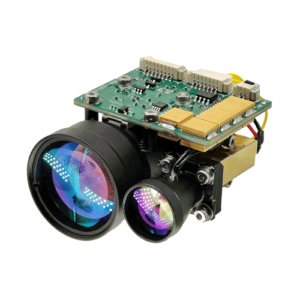
OEM/ODM Laser Ranging Module | LRD30X Customized Solutions
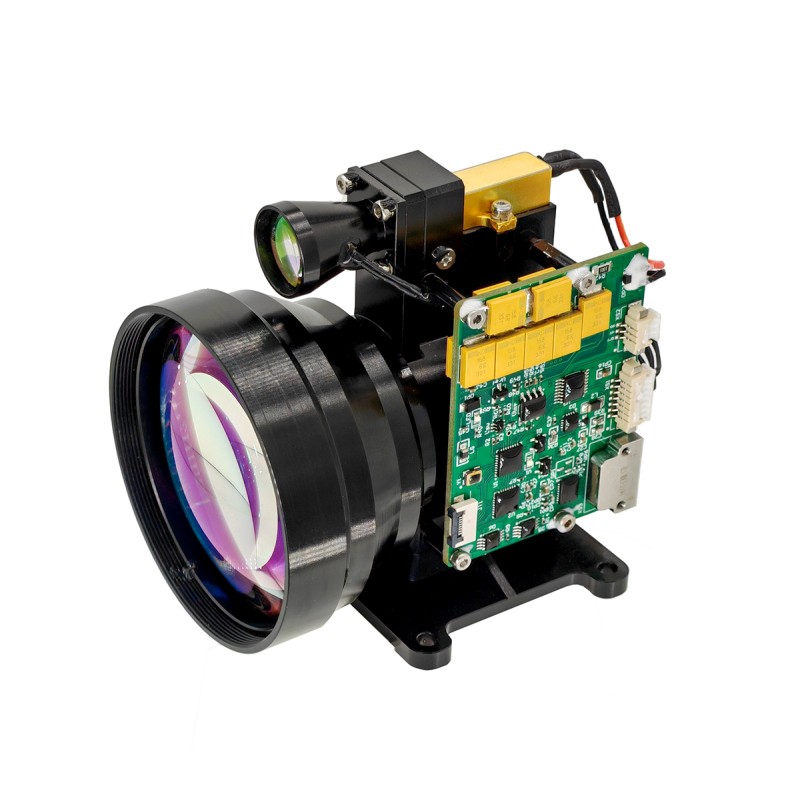
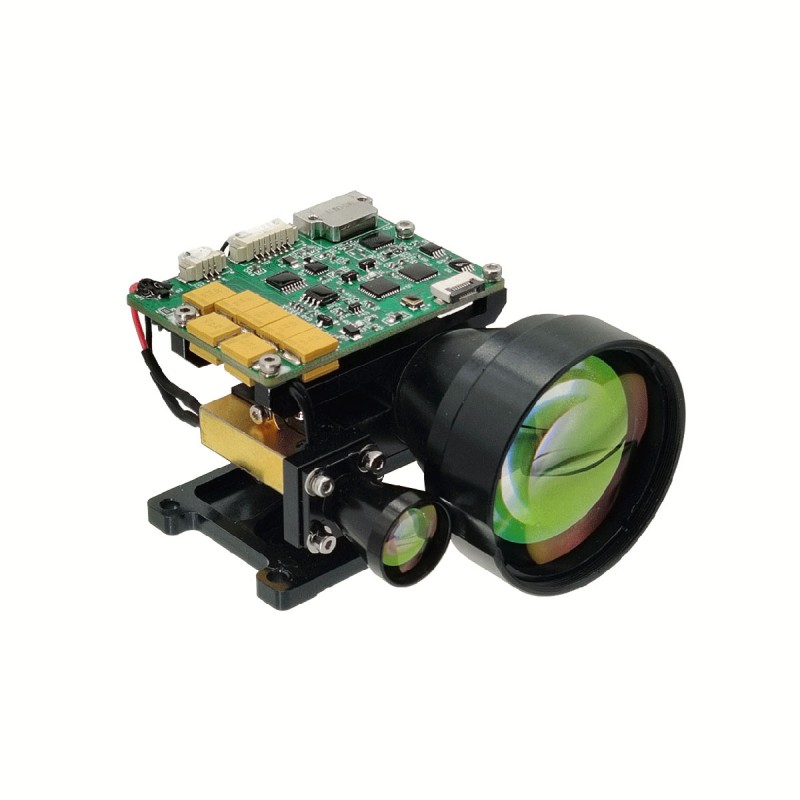
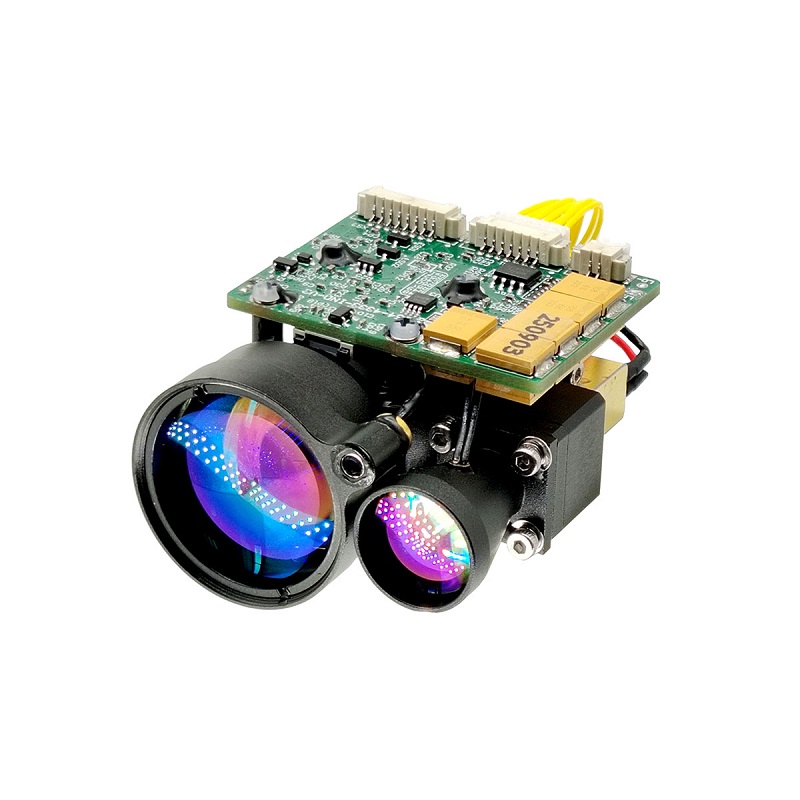
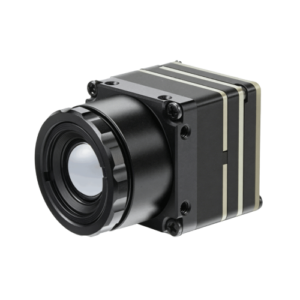
The LRD30X is specifically designed for system integrators, providing a user-friendly, high-performance, and compact all-in-one laser ranging solution with stable and reliable performance across a wide range of applications.
It features four core advantages: ultra-small size, ultra-light weight, ultra-low power consumption, and long-distance measurement. It is ideally suited for handheld thermal imaging devices, weapon-mounted platforms, portable systems, lightweight sensor assemblies, unmanned aerial vehicles (UAVs), and unmanned ground vehicles (UGVs), fully meeting the requirements for OEM/ODM deep customization and mass integration.
Material selection
Light window material
The optical glass H-K9L is selected as the light window material. H-K9L is the most common colorless optical glass, which is suitable for the laser range of 300nm ~2100nm. It has high cost performance and superior physical properties.
Processing requirements
The wedge Angle tolerance of the light window should be as small as possible. We recommend that the wedge Angle tolerance should be less than or equal to 3′ (tolerance grade less than or equal to 7);
The optical surface of the light window should be as smooth as possible, and we recommend a contour arithmetic mean deviation (Ra) of 0.012.
Use recommendations
Light window coating suggestions
The optical window of the 1535nm laser rangefinder is recommended to be coated with an anti-reflection film from 1525nm to 1545nm with a transmittance of ≥99%. Depending on the specific use environment of the product, other protective films such as hydrophobic film or hard film can be selected on the outer surface of the optical window. The other indicators refer to GJB2485-95 with a transmittance of ≥97%.
Shape and use suggestions of light window
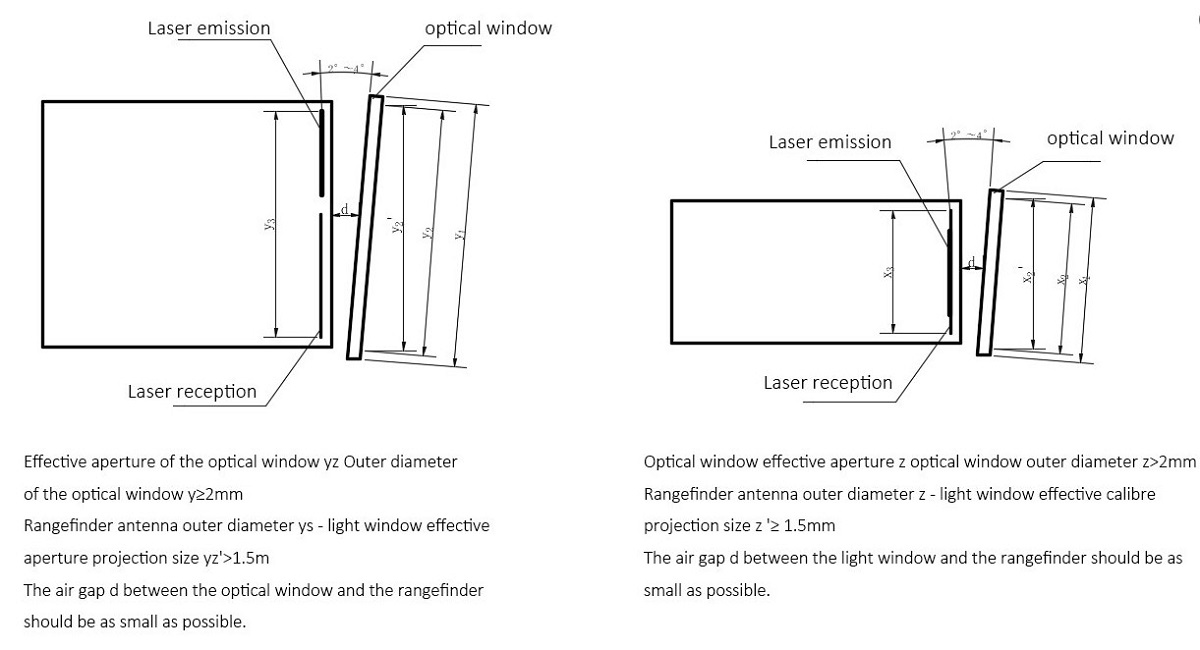
The effective aperture of the optical window varies depending on the product. Its external dimensions should ensure that the effective aperture-outer diameter of the optical window ≥ 2 mm, and the outer diameter of the distance meter antenna-projection size of the effective aperture of the optical window ≥ 1.5 mm. The schematic diagram is shown in the figure below. Due to the absorption of laser by the optical window, it is recommended that the thickness of the optical window itself be controlled within 2 to 4mm based on its external dimensions.
Because the light window has a high transmittance, it is recommended that the axis deviation between the emission optical axis and the normal axis of the light window be controlled within 2°~4°. The schematic diagram of the position of the light window and the two barrels is shown in the figure below. At the same time, the air interval between the light window and the rangefinder should be as small as possible.