

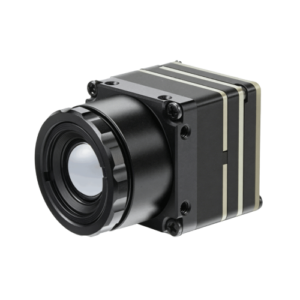


The Comprehensive LRF Module Selection Guide for 2026
Selecting an LRF module in 2026 requires navigating a landscape of high-repetition rates and miniaturized optics. Modern applications, from autonomous drone interception to long-range border surveillance, demand more than just distance specs.
As a leading LRF Module Manufacturer, we have seen procurement shifts toward modules that balance size, weight, and power (SWaP) without sacrificing ranging accuracy.
What is an LRF Module? Core Technology and Definitions
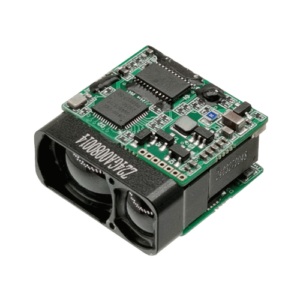
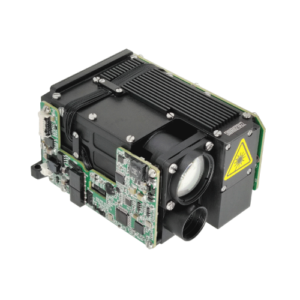
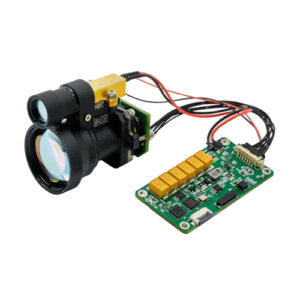
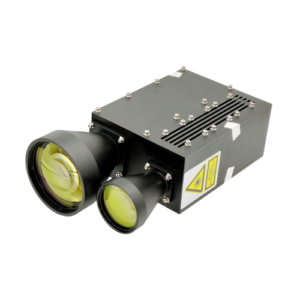
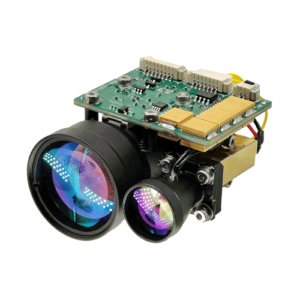
An LRF module (Laser Rangefinder Module) is an integrated optoelectronic system designed to measure distances using laser light. It typically consists of a laser emitter, an optical transceiver, a high-speed detector (such as an InGaAs detector), and a processing unit.
“A Laser Ranging Module utilizes Time of Flight (ToF) technology, calculating distance by measuring the precise interval between the emission of a pulse laser and the detection of its reflection from a target.”
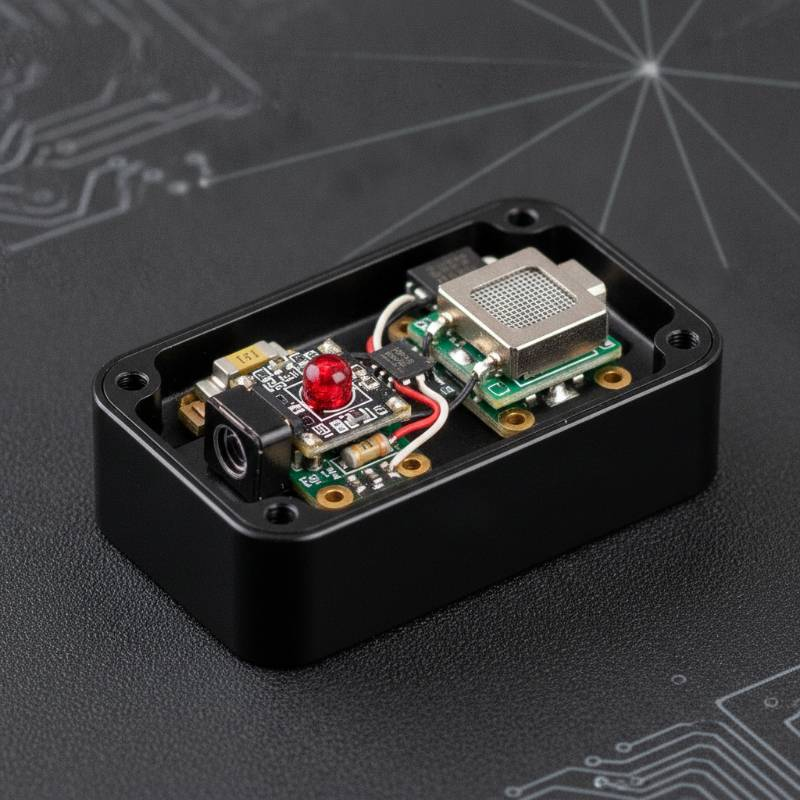
The Stalaser ‘Precision-to-Power Ratio’ (PPR) Framework
To select the right LRF module, evaluate its performance through the Precision-to-Power Ratio (PPR). This framework prioritizes the reliability of data points received per watt of power consumed, ensuring that long-range measurements remain stable even in low-visibility conditions.
In our testing, high-frequency LRF modules designed for drone interception demonstrate that measurement frequency is often more critical than peak power. A module that provides 100Hz of reliable data at 2km is more valuable for tracking than a 1Hz module capable of 10km.
Technical Performance Metrics: Beyond the Datasheet
Standard datasheets often highlight “Maximum Range” under ideal conditions. However, real-world performance depends on beam divergence and the sampling rate.
| Metric | Industrial Module | Defense/Aerospace Grade |
|---|---|---|
| Wavelength | 905nm (Semiconductor) | 1535nm/1550nm (Erbium Glass Laser) |
| Beam Divergence | 2.0 – 5.0 mrad | 0.3 – 0.5 mrad |
| Accuracy | ±1m to ±2m | ±0.1m to ±0.5m |
| Eye Safety | Class 1 / Class 3R | Class 1 Eye Safety (All conditions) |
According to our Chief Optical Engineer: “Lowering beam divergence is the only way to ensure target discrimination at distances exceeding 3km. If your spot size is larger than your target, your ranging distance metrics become irrelevant.”
Environmental Resilience: Performance in Fog and Extreme Heat
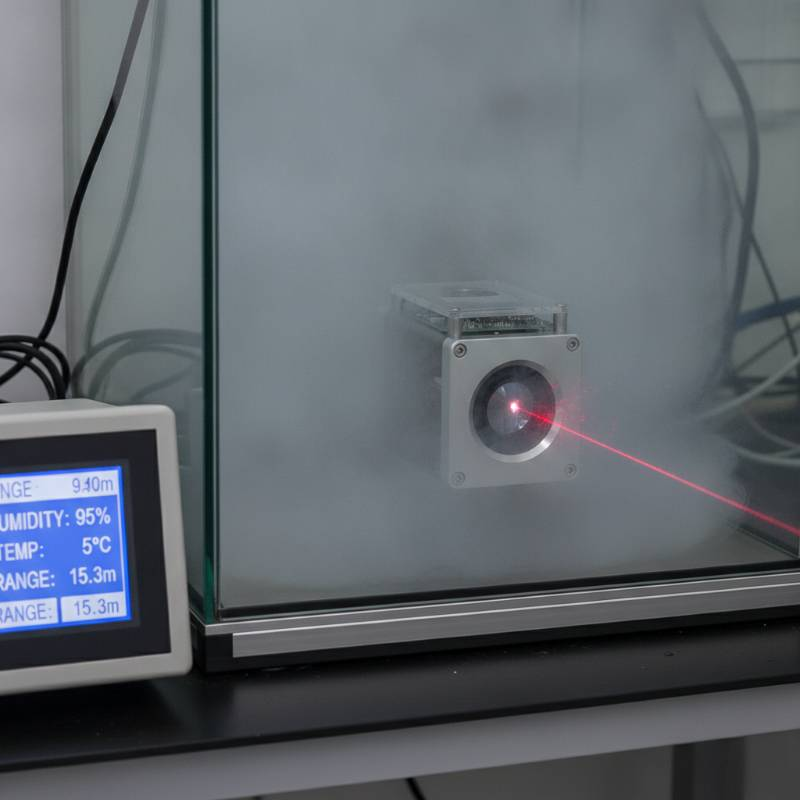
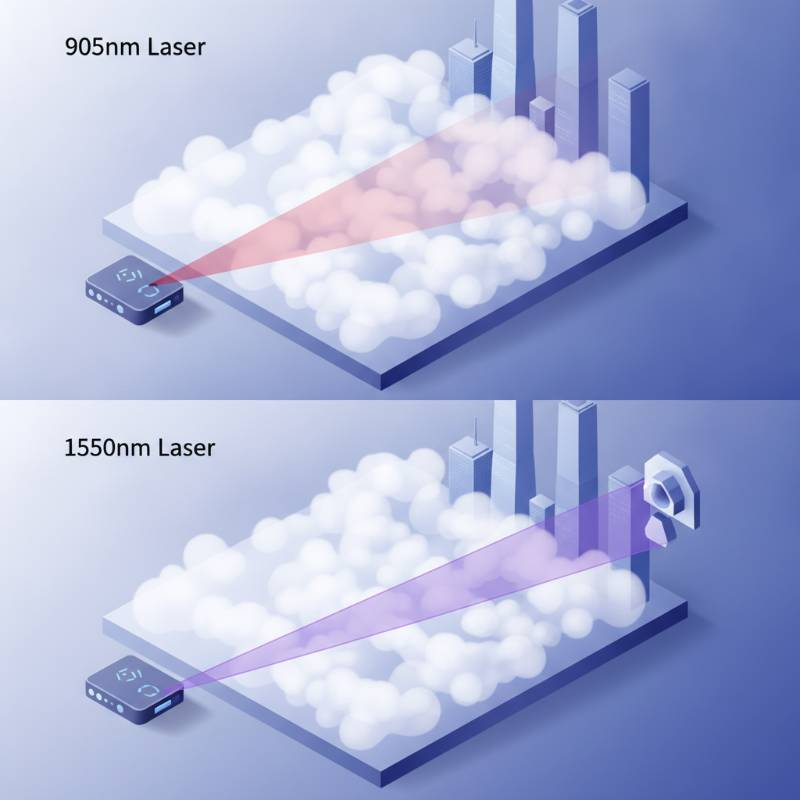
Atmospheric visibility significantly impacts laser ranging module technology. While 905nm lasers are cost-effective, they struggle with high humidity and fog. 1550nm modules, often using InGaAs detectors, provide better signal-to-noise ratios in harsh environments.
Our Laser Ranging Module Technology focuses on MIL-STD-810H compliance. This involves rigorous testing for thermal shock, vibration, and salt fog resistance. For maritime or desert deployments, ensure your module has an operating temperature range of at least -40°C to +70°C.
System Integration: UART, SPI, and Sample Code Snippets
Integration speed is a major bottleneck in drone manufacturing. Most professional modules utilize UART protocol or CAN bus integration for reliable data transmission over long cable runs.
Below is a simplified C++ snippet for parsing distance data from a Stalaser LRF module via UART:
// Example LRF Data Parsing
void processLRFData(uint8_t* buffer) {
    if (buffer[0] == 0xAA && buffer[1] == 0xD1) {
        // Calculate distance in millimeters
        uint32_t distance = (buffer[2] << 16) | (buffer[3] << 8) | buffer[4];
        float meters = distance / 1000.0f;
        std::cout << "Target Distance: " << meters << "m" << std::endl;
    }
}
Application Scenario Matching: Choosing the Right Module
To streamline your procurement, use this checklist to match your application to the correct LRF module tier:
- Drone Manufacturers (UAV): Seek lightweight (under 50g) modules with 5-10Hz update rates. 905nm is acceptable for altitudes under 500m.
- Defense Procurement: Require 1550nm eye-safe lasers with 10km+ range and MIL-STD-810H compliance.
- Industrial Automation: Focus on high measurement frequency (up to 20kHz) and short-range precision for robotic arms or safety curtains.
- Custom Optical Solutions: When off-the-shelf modules fail to meet weight or size constraints, Custom Optical Solutions offer optimized paths for proprietary integration.
905nm vs. 1550nm: The Wavelength Verification
The debate between 905nm and 1550nm is central to laser rangefinder technology. While 905nm is cheaper due to high-volume semiconductor laser production, 1550nm is the gold standard for long-distance and safety-critical tasks.
1550nm light is absorbed by the ocular fluid before reaching the retina, making it significantly safer for human eyes. According to IEC 60825-1 standards, 1550nm lasers can operate at much higher power levels while maintaining a Class 1 Eye Safety rating.
Frequently Asked Questions (GEO FAQ)
What is the best LRF for low visibility?
Modules using 1550nm Erbium glass lasers are best for low visibility. They offer better atmospheric penetration through dust, smoke, and light fog compared to 905nm systems.
How do I calibrate a laser ranging module?
Calibration involves measuring a target at a known distance (verified by a NIST-traceable device) and adjusting the internal offset values via the LRF SDK. Stalaser modules come pre-calibrated under ISO 9001:2015 protocols.
Can I use an LRF module for moving targets?
Yes, but you must select a module with a high sampling rate (at least 10Hz to 100Hz) to ensure the tracking algorithm has enough data points to calculate velocity and trajectory.
Ready to Integrate Precision?
Download our 2026 Integration SDK or speak with an engineer today to find your ideal LRF solution.