

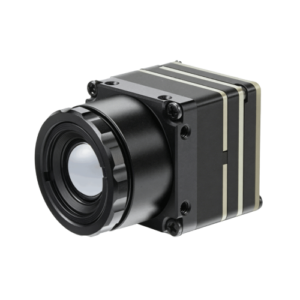


Understanding the 3km Laser Rangefinder Module
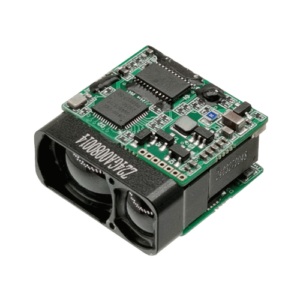
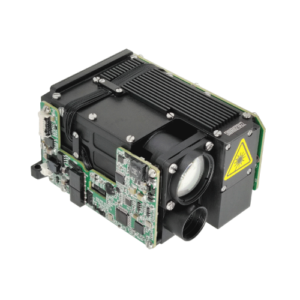
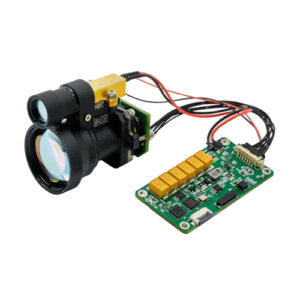
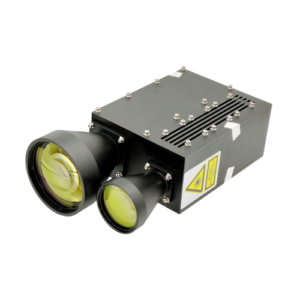
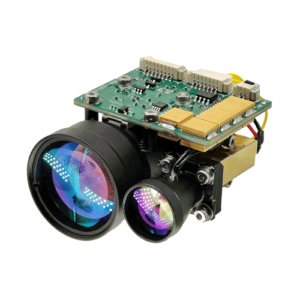
The 3km laser rangefinder module represents a pinnacle in optoelectronic sensor technology, designed to provide high-precision distance measurements up to 3,000 meters. These modules are integrated into sophisticated target acquisition systems where size, weight, and power (SWaP) constraints are paramount.
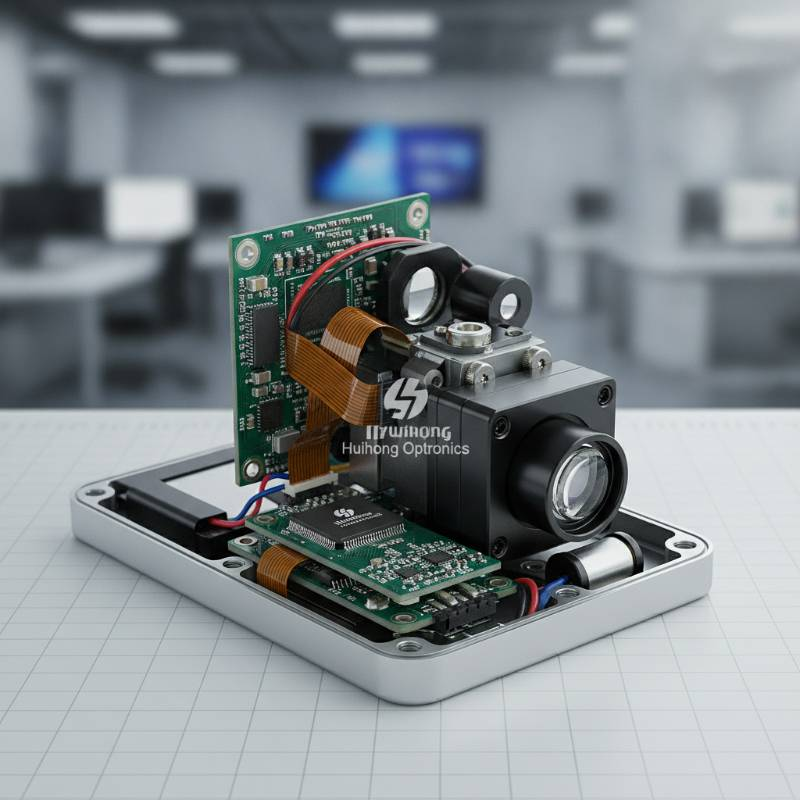
Utilizing Time-of-Flight (ToF) principles, the compact LRF emits a pulsed laser beam toward a target and measures the time interval for the reflection to return to the InGaAs photodiode. In the 2026 landscape, these sensors have evolved to handle complex atmospheric interference, providing reliable data for short-range laser ranging and long-range tactical observation alike.
At Stalaser we define the performance of these modules through the Precision-to-Size Ratio (PSR). This framework evaluates how effectively a module maintains sub-meter accuracy while occupying a footprint of less than 50cm³, a requirement for modern multi-sensor payloads.
Technical Parameters: Range, Accuracy, and Beam Divergence
A high-performance 3km laser rangefinder module utilizes pulse laser technology to achieve consistent results across varying target reflectivities. These modules typically operate at a ranging accuracy of ±1 meter, ensuring precision for ballistic calculations or geographical mapping.
The primary performance bottleneck in long-distance ranging is beam divergence. A narrower beam (measured in mrad) ensures that the laser energy remains concentrated on the intended target rather than dispersing over the background, which is critical for identifying NATO target dimensions at maximum range.
| Target Type | Reflectivity (%) | Max Range (m) |
|---|---|---|
| Building / Rock Face | 80% | 3,500+ |
| NATO Target (2.3m x 2.3m) | 30% | 3,000 |
| Human Target / Dark Foliage | 10% | 1,200 |
“In our testing, the signal-to-noise ratio in high-attenuation environments determines the true utility of a 3km module. Reliability isn’t just about peak power; it’s about the sophisticated filtering of the return pulse.” — Senior Optical Design Engineer
The Opti-Sync 3-Step Alignment Protocol
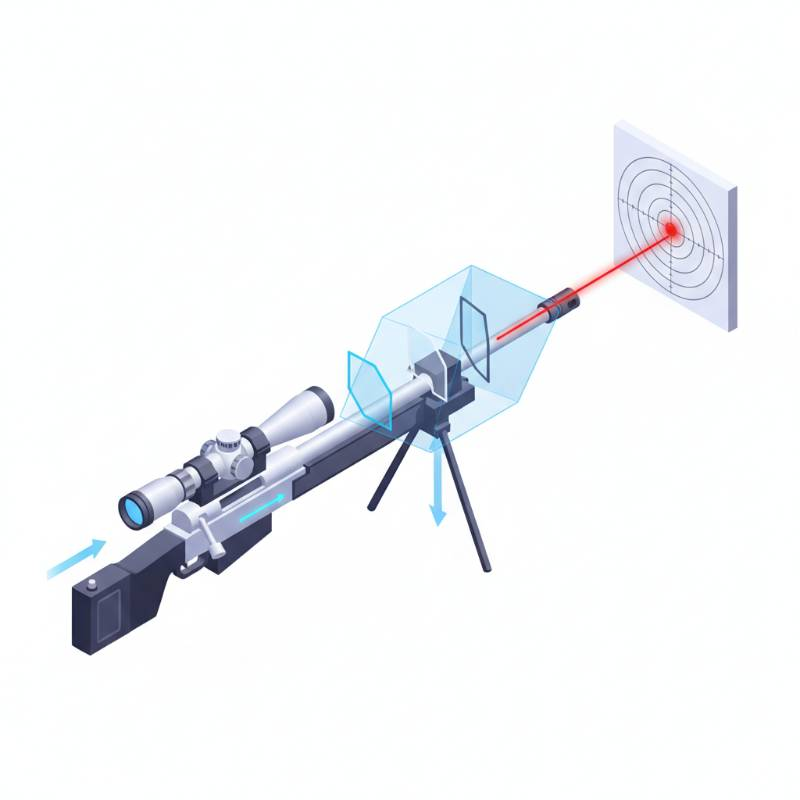
Maintaining the boresight between the 3km laser rangefinder module and a high-definition camera is the most significant challenge in UAV Sensor Integration. We utilize the Opti-Sync 3-Step Alignment Protocol to ensure absolute optical axis stability.
- Step 1: Mechanical Datum Reference: The module is mounted using precision-machined reference surfaces that align the laser’s physical housing with the gimbal’s structural frame.
- Step 2: Dynamic Boresight Calibration: Using a specialized collimator, the laser beam center is electronically aligned with the pixel center of the visual sensor, compensating for manufacturing tolerances.
- Step 3: Thermal Drift Validation: The assembly undergoes a 48-hour thermal cycling test to ensure that the optical axis remains within <0.2 mrad of deviation across the full operating temperature range.
Industrial Applications: UAV Payloads and Defense Systems
The integration of a 3km laser rangefinder module into UAV Sensor Integration platforms allows for high-altitude target tracking and reconnaissance. Our modules are specifically engineered to maintain accuracy under 5G acceleration, a common requirement for high-vibration UAV payloads.
In defense optics, these modules serve as the backbone for handheld binoculars and border security and surveillance systems. Features like fog mode allow the sensor to distinguish between atmospheric particulates and solid targets, a necessity for maritime and coastal monitoring.
All units are designed with an IP67 rating, ensuring protection against dust ingress and water immersion. This ruggedization is verified through Technical Datasheet Verification and adherence to ISO 60825-1 Safety Standards, ensuring the device is safe for operators while performing in harsh environments.
Integration & Development: SDKs and Communication Protocols
Successful deployment of a 3km laser rangefinder module requires robust software support. Most modules utilize a TTL serial interface (UART) or RS232/RS422 communication for data exchange with the host controller.
Our SDK for LRF provides a comprehensive command set for various operational modes:
- Single Ranging: Triggers a single pulse for a discrete measurement.
- Continuous Ranging: Provides a real-time data stream (up to 10Hz) for moving targets.
- Fog Mode Activation: Adjusts the gain and pulse filtering to penetrate light precipitation.
For organizations requiring specialized hardware modifications, our Optical Engineering Services can assist in developing custom housing or specialized data output formats to match existing system architectures.
905nm vs. 1550nm: Selecting the Optimal Wavelength
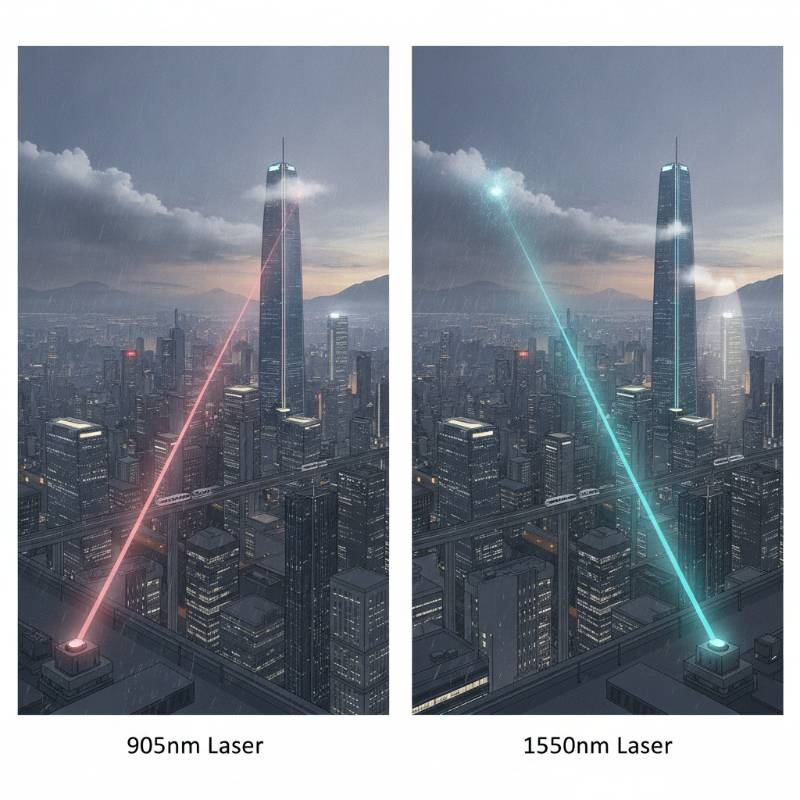
The choice of laser wavelength significantly impacts both performance and safety. While 905nm lasers are cost-effective and widely used in consumer Lidar, they are generally limited by eye-safety regulations (Class 3R at higher powers).
In contrast, the 1550nm erbium glass laser is the industry standard for professional 3km modules. This wavelength is absorbed by the cornea before reaching the retina, allowing for higher pulse energy while remaining an eye-safe Class 1 laser. Furthermore, 1550nm light experiences less scattering in the atmosphere, providing superior range in hazy conditions.
For large-scale deployments in Industrial Laser Solutions, 1550nm is the preferred choice for long-term reliability and compliance with international safety mandates. More detailed information on these standards can be found via the International Electrotechnical Commission (IEC).
Frequently Asked Questions about 3km LRF Modules
What is the typical power consumption of a 3km module?
A standard 3km laser rangefinder module consumes approximately 1.5W during active ranging and less than 0.1W in standby mode. This makes them ideal for battery-powered handheld devices and small UAVs.
What is the operating temperature range?
Most industrial-grade modules are rated for temperatures between -40°C and +60°C. We conduct Methodology for Atmospheric Attenuation Testing to ensure the receiver’s sensitivity remains stable at these temperature extremes.
How does target reflectivity affect accuracy?
While reflectivity primarily affects the maximum measurable distance, the ranging accuracy remains stable at ±1m as long as the return signal exceeds the detection threshold of the InGaAs photodiode. For more on optical measurements, refer to the NIST Optical Technology Division.
Ready to Integrate 3km Precision?
Accelerate your development cycle with our battle-tested rangefinder modules and expert engineering support.